When we talk about health in the Kashmir Valley, our conversations are often dominated by the immediate, visible realities of our environment. We talk about the harsh freezing months of Chilai Kalan, the seasonal chest infections that sweep through our neighborhoods, or the physical toll of navigating life at a high altitude. But behind closed clinic doors and within the research wings of our premier medical institutions—such as the Sher-i-Kashmir Institute of Medical Sciences (SKIMS) and Government Medical College (GMC) Srinagar—a very different narrative is emerging.
Over the past decade, systematic clinical studies have quietly uncovered a profound shift in the disease burden of our population. The traditional medical landscape of Kashmir, once defined primarily by infectious diseases and acute illnesses, has transformed into a complex web of metabolic, endocrine, and autoimmune disorders. What makes this shift particularly challenging is that many of these conditions develop silently. They do not announce themselves with a sudden fever or acute pain; instead, they progress slowly over years, fueled by a unique intersection of our regional genetics, dietary habits, and winter lifestyle.
Understanding these emerging clinical trends is not just an academic exercise for doctors—it is a practical survival guide for every Kashmiri family. By examining what recent regional medical research reveals about our cardiovascular health, thyroid function, nutritional deficiencies, and organ health, we can step away from reactive medicine and embrace the power of early diagnostic screening.
1. The Metabolic Paradox: Why Diabetes and Hypertension Are Surging Across the Valley
For generations, the traditional Kashmiri lifestyle required significant physical exertion. However, rapid urbanization, shifting work habits, and the unavoidable sedentary routine forced upon us by long, harsh winters have created a perfect storm for metabolic dysfunction.
Recent clinical evaluations conducted among patients in Srinagar and surrounding rural districts have revealed a staggering prevalence of Metabolic Syndrome. In medical terminology, Metabolic Syndrome is not a single disease, but a dangerous cluster of interrelated biochemical conditions: abdominal obesity, elevated blood pressure, high fasting blood sugar, high serum triglycerides, and low levels of protective HDL (high-density lipoprotein) cholesterol.
A landmark study investigating Kashmiri patients with Type 2 Diabetes found that over 80% of individuals met the World Health Organization (WHO) diagnostic criteria for Metabolic Syndrome. Perhaps even more alarming is the data surrounding our general population, where researchers noted a significant spike in premature insulin resistance among young adults and adolescents aged 16 to 18. Why is our population so uniquely susceptible?
The Role of Diet and the Noon Chai Factor
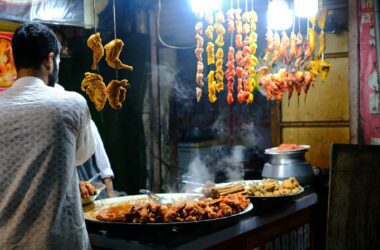
While genetic predisposition plays a distinct role, researchers point heavily toward our dietary architecture. The traditional Kashmiri diet is heavily carbohydrate-dense, centered around white rice, and accompanied by rich preparations during social gatherings and Wazwan. When carbohydrates are consumed in high quantities without corresponding physical expenditure—particularly during the winter months when outdoor activity drops to near zero—the liver converts the excess glucose into triglycerides, initiating a cascade of insulin resistance.
Furthermore, clinical investigators studying rural and urban hypertension in Jammu & Kashmir have repeatedly highlighted a unique cultural contributor: our beloved salted pink tea, or Noon Chai. While culturally comforting, the frequent consumption of salted tea delivers a massive daily sodium load. Regional epidemiological studies have established a direct, statistically significant link between high salted tea consumption and resistant, uncontrolled hypertension, even among patients who are actively taking blood pressure medications.
+-----------------------------------------------------------------------+
|                THE METABOLIC SYNDROME CLUSTER IN KASHMIR              |
+-----------------------------------------------------------------------+
|  [High Carbohydrate / Rice Diet]  +  [High Sodium from Salted Tea]     |
|                                |                                      |
|                                v                                      |
|            +---------------------------------------+                  |
|            |       INSULIN RESISTANCE & VASCULAR    |                  |
|            |              INFLAMMATION             |                  |
|            +---------------------------------------+                  |
|                                |                                      |
|         +----------------------+----------------------+               |
|         v                                             v               |
|  [Elevated Fasting Glucose]                 [Uncontrolled Hypertension] |
|  [Hypertriglyceridemia]                     [Low Protective HDL]      |
|                                                                       |
|  *Recommended Action: Annual Fasting Glucose (BGF), Post-Prandial     |
|   Glucose (PP), HbA1c, and Comprehensive Lipid Profile screening.* |
+-----------------------------------------------------------------------+
What This Means for You
The progression from insulin resistance to overt Type 2 Diabetes or arterial stiffness happens in the dark. By the time a patient experiences constant thirst, frequent urination, or chronic fatigue, significant metabolic remodeling has already occurred.
Clinical researchers emphasize that screening should no longer be reserved for those in their 50s or 60s. Any adult in Kashmir over the age of 30—especially those with a family history of diabetes or cardiovascular disease—should establish a baseline by testing their Blood Glucose Fasting (BGF), Blood Glucose Post-Prandial (PP), and a comprehensive Lipid Profile at least once a year. When detected early, metabolic syndrome is entirely reversible through targeted dietary adjustments and moderate physical activity.
2. The Thyroid Awakening: A Critical Priority for Women and Newborns
If metabolic syndrome is the most visible epidemic in our clinics, thyroid dysfunction is undoubtedly the most overlooked. The butterfly-shaped thyroid gland sits at the base of the neck, acting as the metabolic thermostat for the entire body. When it produces too little hormone (hypothyroidism), the body’s metabolic rate crawls to a halt; when it produces too much (hyperthyroidism), the system goes into overdrive.
In recent scientific symposia at SKIMS, regional endocrinologists issued an urgent clinical warning regarding the rising curve of thyroid disorders across Jammu & Kashmir. What has caught the attention of researchers is the alarming prevalence of subclinical hypothyroidism—a state where the thyroid gland is beginning to fail, causing elevated Thyroid Stimulating Hormone (TSH) levels while circulating T3 and T4 hormones still appear deceptively normal on standard tests.
Why Are Kashmiri Women Uniquely Vulnerable?
Clinical data indicates that thyroid disorders affect women in the Valley at nearly five times the rate of men. Why? A major piece of the puzzle lies in autoimmunity. The most common underlying cause of hypothyroidism in our region is Hashimoto’s Thyroiditis, an autoimmune disorder where the immune system generates specific autoantibodies (such as Anti-TPO) that mistakenly attack and destroy healthy thyroid tissue.
Because the early symptoms of hypothyroidism—unexplained weight gain, chronic exhaustion, dry skin, hair fall, sensitivity to cold, and low mood—overlap so closely with what many people dismiss as “normal winter sluggishness” or general fatigue, thousands of women in Kashmir go undiagnosed for years.
The Push for Universal Maternal and Newborn Screening
Perhaps the most crucial research takeaway from recent endocrinology reports is the profound impact of maternal thyroid health on fetal development. During the first trimester of pregnancy, a developing fetus relies entirely on the mother’s thyroid hormones for brain and nervous system development. Unmanaged hypothyroidism in expectant mothers carries documented risks of gestational complications, pre-eclampsia, and cognitive deficits in infants.
This data has led leading regional endocrinologists to advocate for mandatory universal thyroid screening—recommending that every pregnant woman be evaluated for TSH, Free T4, and thyroid antibodies immediately upon confirming pregnancy, and that every newborn be screened for congenital hypothyroidism before leaving the hospital.
3. The Sunshine Hormone Deficit: Living Under a Shadow of Vitamin D Starvation
It feels like a paradox: how can a valley renowned for its crisp, brilliant sunshine suffer from a widespread, severe deficiency of Vitamin D? Yet, clinical investigations published by medical researchers in Kashmir consistently rank our population among the most Vitamin D-deficient groups in the entire subcontinent.
In multiple cross-sectional studies evaluating patients presenting with generalized bone pain, muscle weakness, and metabolic complaints, researchers found that over 75% to 85% of subjects had insufficient or critically deficient serum levels of 25-hydroxy Vitamin D.
The Geographical and Cultural Barriers to UVB Radiation
To understand this widespread deficiency, we must look at basic atmospheric physics combined with our cultural lifestyle. Vitamin D is synthesized in the skin when it is exposed to ultraviolet B (UVB) radiation from the sun. However, due to Kashmir’s geographical latitude, the angle of sunlight during the long autumn, winter, and early spring months is too oblique to deliver sufficient UVB wavelengths through the earth’s atmosphere.
When you compound this seasonal solar deficit with our daily reality—spending the freezing months of Chilai Kalan indoors, traveling in closed vehicles, and wearing heavy, layered traditional attire such as Pherans that leave less than 5% of our skin exposed—natural synthesis of Vitamin D becomes virtually impossible for nearly half the year.
+-----------------------------------------------------------------------+
|                   THE KASHMIR VITAMIN D DEFICIT CHAIN                 |
+-----------------------------------------------------------------------+
|  [High Latitude / Oblique Winter Sun] + [Heavy Layered Clothing/Pherans]|
|                                                                       |
|                                   v                                   |
|                  +---------------------------------+                  |
|                  |     CRITICAL UVB DEPRIVATION    |                  |
|                  |     (Serum 25-OH Vit D < 20 ng) |                  |
|                  +---------------------------------+                  |
|                                   |                                   |
|         +-------------------------+-------------------------+         |
|         v                                                   v         |
|  [Impaired Calcium Absorption]            [Immune System Dysregulation] |
|  - Osteopenia & Bone Pain                 - Worsened Autoimmune Flare-ups|
|  - Severe Muscle Weakness                 - Increased Respiratory Risks |
|                                                                       |
|  *Recommended Action: Quantitative Serum 25-OH Vitamin D screening    |
|   before initiating high-dose oral or intramuscular supplementation.* |
+-----------------------------------------------------------------------+
The Systemic Domino Effect
For decades, medicine viewed Vitamin D solely through the lens of bone health—preventing rickets in children and osteoporosis in the elderly. However, modern clinical research has revealed that Vitamin D functions much more like a systemic steroid hormone than a simple vitamin. Vitamin D receptors are present on nearly every immune cell, pancreatic cell, and cardiovascular tissue in the human body.
Recent research conducted among Kashmiri populations has established striking correlations between severe Vitamin D deficiency and:
Worsened Diabetic Control: Low Vitamin D impairs the pancreas’s ability to secrete insulin and increases peripheral insulin resistance, making diabetes significantly harder to manage.
Autoimmune Acceleration: Patients with autoimmune conditions like rheumatoid arthritis, lupus, and Hashimoto’s thyroiditis consistently show lower levels of Vitamin D; restoring these levels often helps moderate inflammatory flare-ups.
Increased Respiratory Vulnerability: Adequate Vitamin D is essential for activating macrophage defenses in the lungs. Chronic deficiency leaves individuals far more susceptible to severe seasonal respiratory infections.
Because Vitamin D is fat-soluble and stores in liver and adipose tissue, taking blind, high-dose megadoses without knowing your baseline can occasionally lead to toxicity. The scientifically sound approach is to perform a Quantitative Serum Vitamin D (25-OH) test to establish your exact level, allowing your physician to prescribe an precise, customized supplementation schedule.
4. Protecting the Kidneys and the Nervous System: The Need for Precision Diagnostics
As our understanding of systemic disease expands, regional clinical research has also placed a spotlight on how chronic metabolic and vascular conditions eventually impact organ systems—most notably, the kidneys and the central nervous system.
Renal Function in the Shadow of Hypertension
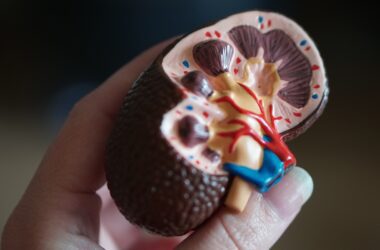
The kidneys are intricate biological filtration engines containing millions of microscopic vascular filters known as nephrons. When a patient suffers from chronic, unmanaged hypertension—accelerated by high sodium diets—or prolonged hyperglycemia, these delicate filters experience high-pressure mechanical trauma and glycation.
Often referred to as “silent victims,” the kidneys can lose up to 50% of their functional filtration capacity before a patient notices any obvious physical symptoms, such as swelling in the feet or changes in urination. This makes routine renal monitoring non-negotiable for anyone managing high blood pressure or diabetes. A simple Blood Urea Nitrogen (BUN) test, evaluated alongside Serum Creatinine to calculate the BUN-to-Creatinine ratio, provides physicians with an immediate, high-precision window into kidney clearance efficiency and hydration status, allowing for timely medical intervention long before irreversible kidney disease sets in.
Precision Neurology and Therapeutic Drug Monitoring (TDM)
Beyond internal organs, our regional medical centers are witnessing major advancements in the management of complex neurological disorders, including epilepsy, seizure clusters, and neuropathic pain conditions like trigeminal neuralgia.
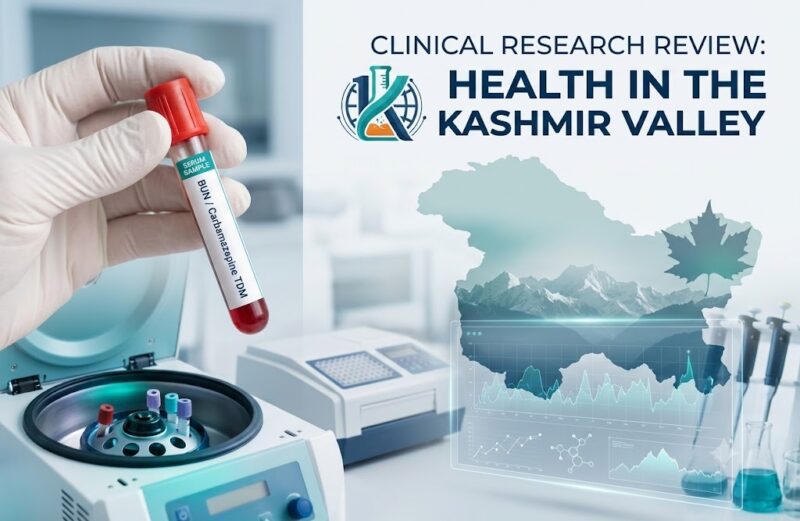
A critical research focus in modern neurology is Therapeutic Drug Monitoring (TDM). Medications prescribed to stabilize electrical activity in the brain—such as Carbamazepine (Tegretol)—operate within a very narrow therapeutic window. Every patient metabolizes these pharmaceutical compounds at a different rate depending on their liver enzymes, age, and concurrent medications.
If a patient’s circulating drug level drops below the therapeutic threshold (sub-therapeutic), they face the terrifying risk of sudden breakthrough seizures or debilitating nerve pain attacks. Conversely, if the drug accumulates above the safe threshold into the toxic zone, the patient may suffer from acute dizziness, double vision, loss of motor coordination (ataxia), and cardiovascular complications. Today, neurologists in Kashmir rely on routine Carbamazepine Serum Level blood tests drawn just before a scheduled dose (trough level) to fine-tune daily prescriptions, eliminating guesswork and ensuring absolute patient safety.
Unmasking Autoimmune Encephalitis
Finally, regional tertiary research has begun shining a light on rare but devastating neurological conditions like Autoimmune Encephalitis. Previously, patients presenting with acute, sudden-onset psychiatric symptoms, severe memory loss, confusion, or treatment-resistant seizures were often misdiagnosed as suffering from primary psychiatric disorders or incurable neurodegenerative diseases.
We now know that in many of these cases, the body’s immune system is producing autoantibodies (such as anti-NMDA receptors or anti-LGI1) that cross the blood-brain barrier and attack healthy neural receptors. By introducing advanced diagnostic screenings like the Autoimmune Encephalitis Panel (Serum), clinical laboratories are providing neurologists with the definitive evidence needed to initiate rapid immunosuppressive therapies—treatments that can halt brain inflammation and guide patients toward full recovery from symptoms that were once considered irreversible.
5. Bridging the Gap: Transforming Clinical Research into Daily Preventive Care
When we step back and look at the body of research emerging from Kashmir’s medical institutions, a clear message rings out: our greatest medical challenges are no longer diseases of contagion, but diseases of silent, chronic progression. Whether we are looking at the silent creep of insulin resistance driven by winter inactivity, the slow autoimmune destruction of the thyroid gland, the deep bone-level impact of solar UVB deprivation, or the gradual strain on renal architecture from high-sodium tea, the underlying pattern is identical. These conditions thrive in the absence of diagnostic data. They rely on us ignoring subtle symptoms, assuming that chronic fatigue, weight gain, elevated blood pressure, or joint stiffness are simply unavoidable facts of aging or winter life in the Valley.
The true value of medical research lies not in reading statistics on a page, but in translating those statistics into proactive healthcare decisions for ourselves and our families. We must foster a cultural shift in Kashmir—moving away from a mindset that visits a laboratory only when an acute medical emergency forces us to, toward a mindset that views periodic diagnostic screening as a fundamental habit of self-care.
+-----------------------------------------------------------------------+
|              THE PROACTIVE KASHMIRI HEALTH CHECKLIST                  |
+-----------------------------------------------------------------------+
|  [x] Annual Fasting & Post-Prandial Blood Glucose (BGF / PP / HbA1c)  |
|  [x] Comprehensive Lipid Profile (Screening for Triglycerides & HDL)  |
|  [x] Thyroid Evaluation (TSH, Free T4, Anti-TPO for women & maternal) |
|  [x] Quantitative Serum 25-OH Vitamin D Screening (Before winter)     |
|  [x] Renal Clearance Panel (Blood Urea Nitrogen - BUN & Creatinine)   |
|  [x] Precision Drug Monitoring (TDM for active neurological therapies)|
+-----------------------------------------------------------------------+
How Kashmir Online Lab Supports Your Health Journey
At Kashmir Online Lab, our mission is to bridge the gap between advanced clinical research and everyday patient care. We believe that world-class diagnostic precision should not require spending hours waiting in crowded hospital corridors or traveling miles across freezing morning fog.
By leveraging cutting-edge analytical instrumentation—from Chemiluminescence Immunoassays (CLIA) for sensitive hormonal mapping to high-precision UV-Kinetic assays for organ monitoring—we bring reference-grade diagnostics directly to your doorstep. Our professional home sample collection network across Srinagar and surrounding districts ensures that you and your elderly family members can undergo comprehensive screenings comfortably and safely from home.
When your blood sample reaches our laboratory, it is processed under rigorous quality control standards, ensuring that the digital report delivered to your phone or computer provides your doctor with the uncompromising accuracy needed to make critical medical decisions.
A Final Word on Valley Health
The medical challenges unique to our beautiful valley are real, but they are entirely manageable when met with awareness and timely data. You do not have to wait for symptoms to disrupt your daily life before taking action.
Whether you need a baseline check of your fasting blood sugar, an investigation into persistent winter fatigue with a thyroid and Vitamin D profile, regular monitoring of kidney health via a BUN test, or specialized therapeutic drug monitoring for neurological treatments, diagnostic clarity is just a click away.
Take charge of your health today. Visit kashmironlinelab.com to explore our comprehensive diagnostic panels, view transparent pricing, and schedule a professional home sample collection at a time that suits your family. Because when it comes to living a long, vibrant life in the Valley, precision diagnostic data is your strongest shield.
References & Reading for Referring Physicians
Sher-i-Kashmir Institute of Medical Sciences (SKIMS), Department of Endocrinology & Metabolism – Clinical Symposia Reports on Neonatal & Maternal Thyroid Dysfunction (2024–2025).
Epidemiological Evaluation of Metabolic Syndrome in Type 2 Diabetes in Kashmir Valley (NCEP-ATP III & WHO criteria matching).
Prevalence of Vitamin D Deficiency in Hypothyroid Patients in Kashmiri Populations – Regional Clinical Surveys.
Impact of Salted Tea (Noon Chai) Consumption on Uncontrolled Hypertension and Vascular Stiffness in Rural & Urban North India.