Description
Overview: “Acid-Fast Bacilli” (AFB) refers to bacteria, specifically the type that causes Tuberculosis, that resist decolorization by acid after being stained. The Ziehl-Neelsen (ZN) Stain is a classic laboratory technique where the sample is smeared on a glass slide, stained with a red dye, and washed with acid. Under a microscope, TB bacteria appear as bright red rods against a blue background.
Clinical Significance:
Diagnosis of Infectious TB: A “Positive” smear means the patient is shedding bacteria and is likely infectious to others. It confirms active Pulmonary Tuberculosis.
Monitoring Treatment: This test is performed at regular intervals (e.g., at 2 months and 6 months) during TB treatment. If the smear converts from positive to negative, it indicates the medication is working.
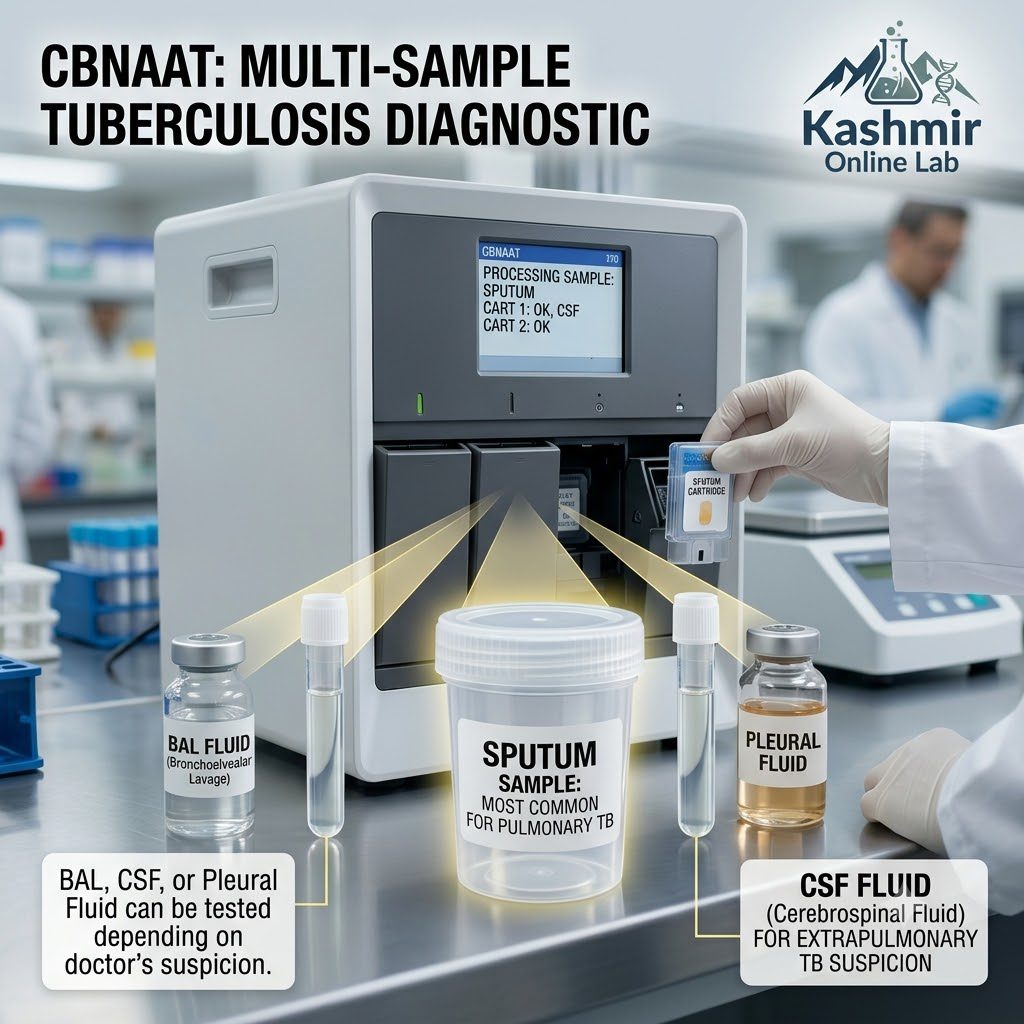
Limitations: A “Negative” result does not rule out TB. If the bacterial load is low, the smear might be negative even if the patient is sick. In such cases, a more sensitive test like a Culture or PCR (GeneXpert) may be needed.
When is this test recommended?
For anyone with a chronic cough lasting more than 2 weeks.
For patients with symptoms like unexplained weight loss, night sweats, fever, or coughing up blood.
To assess if a TB patient is responding to medication.
Sample Requirements:
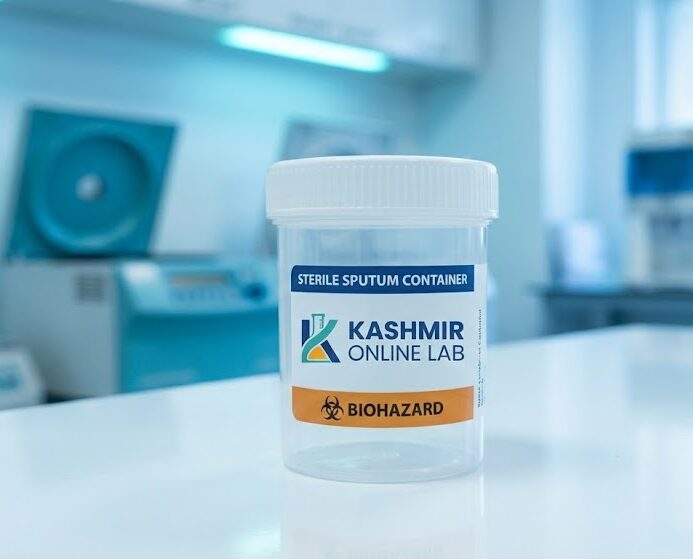
Specimen: Sputum (Phlegm).
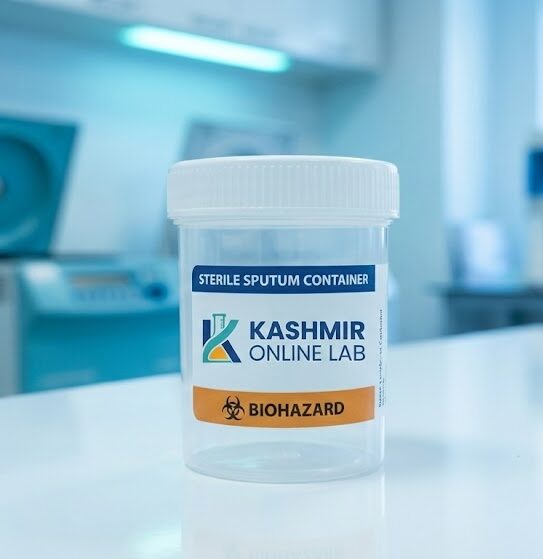
Container: Sterile, wide-mouth, leak-proof container.
Collection: “Spot” (collected immediately at the clinic) and “Morning” (collected upon waking up) samples are often requested.
Important: The sample must be thick purulent phlegm from deep inside the lungs, not just watery saliva (spit).