Description
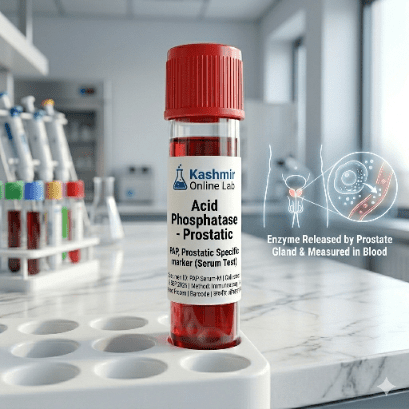
The Prostatic Acid Phosphatase (PAP) Test measures the concentration of a specific enzyme produced by the prostate gland. Primarily used as a tumor marker, it helps, in conjunction with PSA, to assess advanced prostate health and to monitor the effectiveness of treatment in patients with known prostate cancer, particularly when tracking potential spread to the bone.
Overview:
Prostatic Acid Phosphatase (PAP) is an enzyme primarily synthesized by the epithelial cells of the prostate gland. Under normal conditions, PAP is present in high concentrations within the prostate tissue and seminal fluid, but only in very low levels in the bloodstream. When the architecture of the prostate is disrupted, particularly by advanced cancer, this enzyme is released into the systemic circulation.
Clinical Significance:
- Prostate Cancer Marker: Historically, the PAP test was a foundational tumor marker for prostate cancer, particularly useful for detecting metastatic disease that had spread to the skeletal system (bone metastasis). While the Prostate-Specific Antigen (PSA) test is now the primary tool for initial screening and early detection, PAP remains a valuable independent prognostic factor.
- Monitoring Advanced Disease: For patients diagnosed with advanced prostate cancer, PAP levels can be an informative adjunct, providing a unique baseline and a means to track tumor burden over time.
- Treatment Evaluation: This test is useful for following the progression or recurrence of disease and assessing the response to therapeutic interventions, such as androgen ablation therapy or following radical prostatectomy. Rising PAP levels, especially when considered alongside PSA, can indicate a relapse.
- Differentiation: Measurement of the prostatic-specific fraction (PAP) is medically distinct from measuring Total Acid Phosphatase, which includes contributions from other tissues like platelets and red blood cells.
When is this test recommended?
Healthcare providers may order this test to:
Evaluate the prognosis of a patient newly diagnosed with advanced prostate cancer.
Monitor a patient undergoing treatment for prostate cancer for potential relapse.
Follow up on unexplained symptoms, such as persistent bone pain in a patient with a history of prostate issues.
Sample Requirements:
Specimen: Blood (Serum).
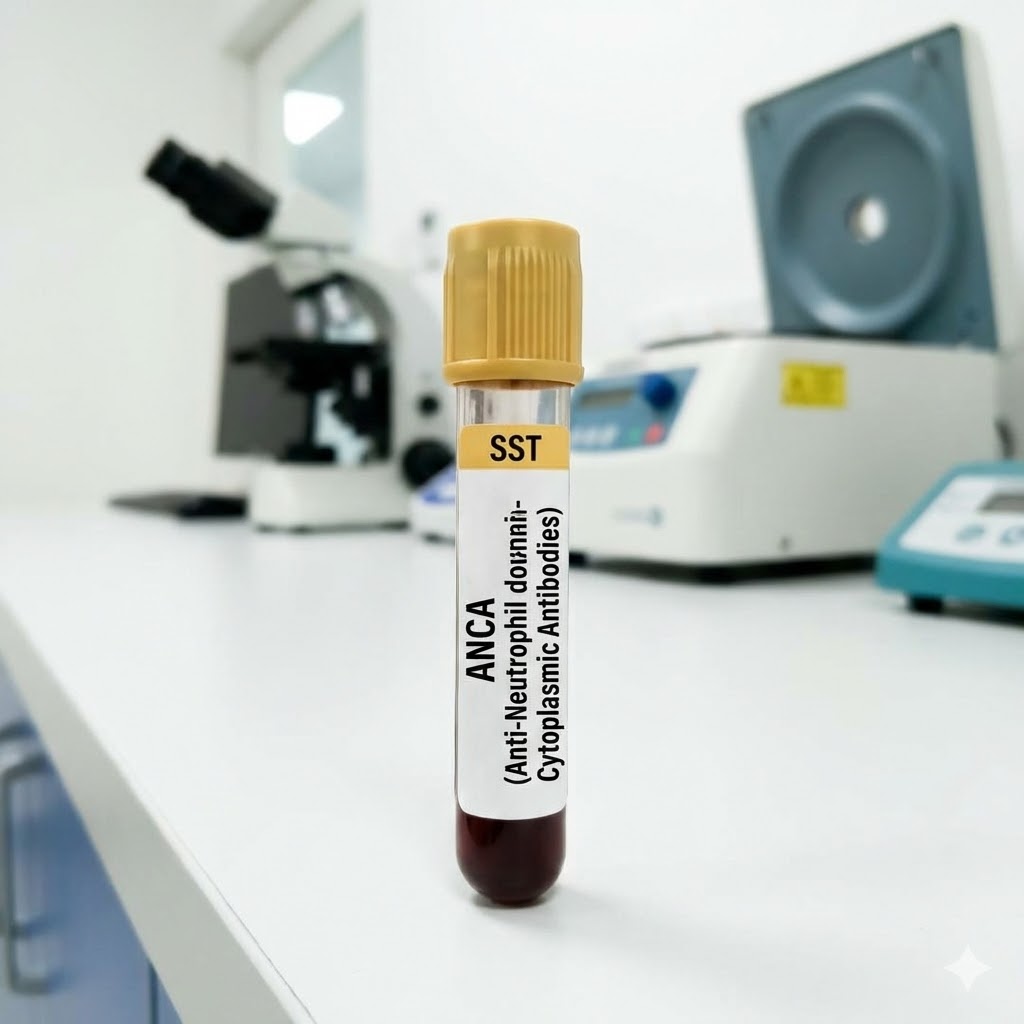
Container: A Red-top tube (no additives) or a Gel-barrier tube (SST). Note: Fast, prompt handling and freezing of the sample are critical for accurate enzyme stability.
Patient Preparation (Crucial):
For accurate results, the blood sample must be collected before any clinical manipulation of the prostate gland. These procedures can cause a transient, temporary elevation in PAP levels:
Avoid a Digital Rectal Exam (DRE) for at least 48 hours.
Avoid a Prostate Biopsy, Prostate Massage, or Prostatectomy for 2 to 3 days prior to the test.