Description
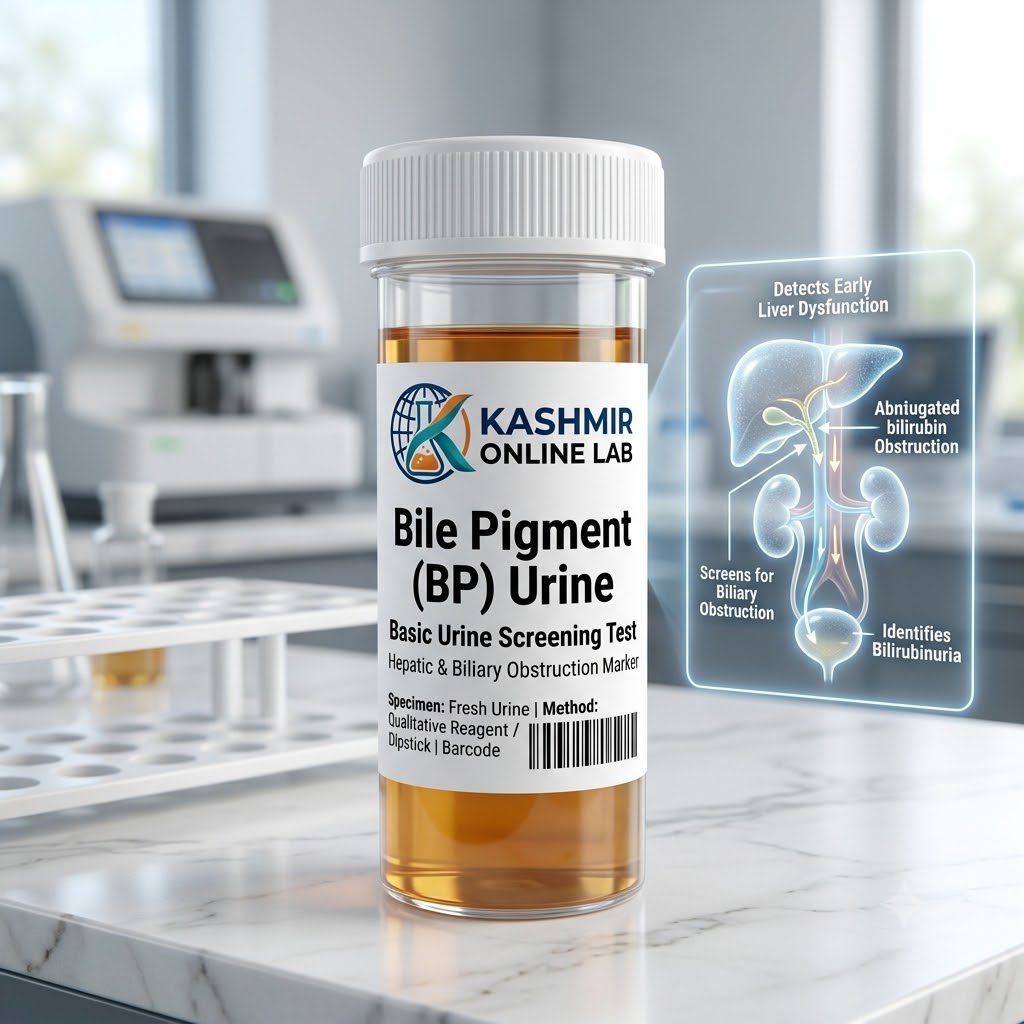
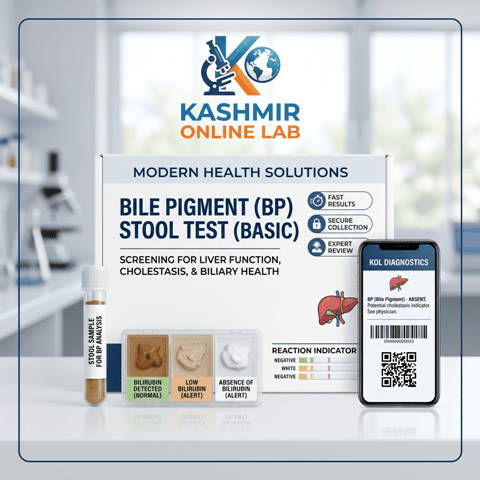
This is a qualitative screening test performed on a stool sample to detect the presence of bile pigments, primarily bilirubin and its breakdown products like stercobilin. Bile pigments are normally produced by the liver during the breakdown of red blood cells, stored in the gallbladder, and excreted into the small intestine as part of bile. Stercobilin is responsible for the normal brown color of stool.
Purpose: The BP Stool Test is used as an initial screening tool to help evaluate the function of the liver, gallbladder, and bile ducts. It is often ordered when there are concerns about liver disease or a potential blockage of the bile flow.
Indications (Why the test may be ordered): Your healthcare provider might order this test if you exhibit symptoms suggestive of liver or biliary system dysfunction, including:
Unexplained jaundice (yellowing of the skin or eyes).
Abnormally pale, light-colored, or clay-colored stools.
Dark-colored urine.
Abdominal pain, particularly in the upper right quadrant.
Chronic fatigue or itching.
Sample Collection: A small, fresh stool sample is required. You will be provided with a sterile container and instructions on how to collect the sample cleanly, avoiding contamination with urine or toilet water.
Interpretation of Results:
Normal: Bile pigments should be present in the stool, giving it its normal brown color.
Abnormal (Negative): The absence or significantly reduced level of bile pigments often indicates a potential obstruction in the bile ducts (acholic stool), preventing bile from reaching the intestine. This requires further diagnostic investigation.