Description
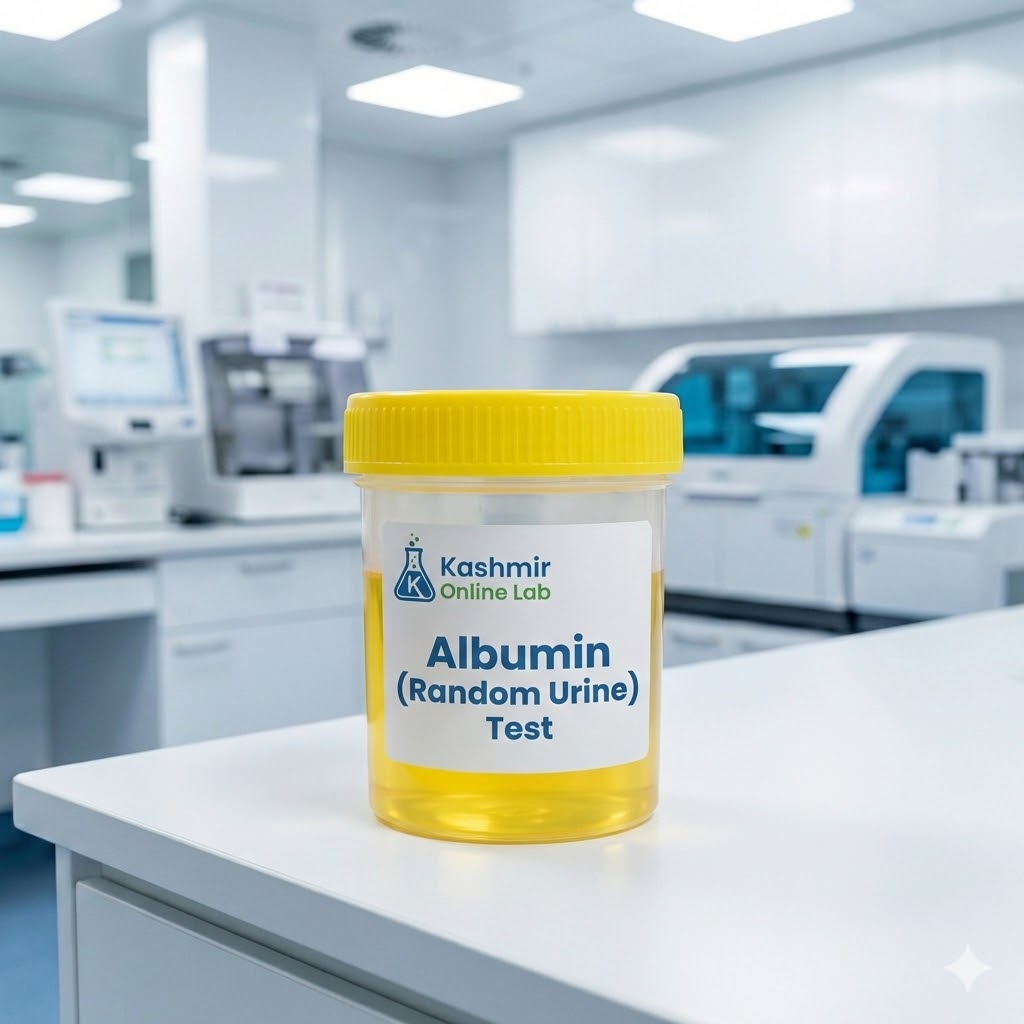
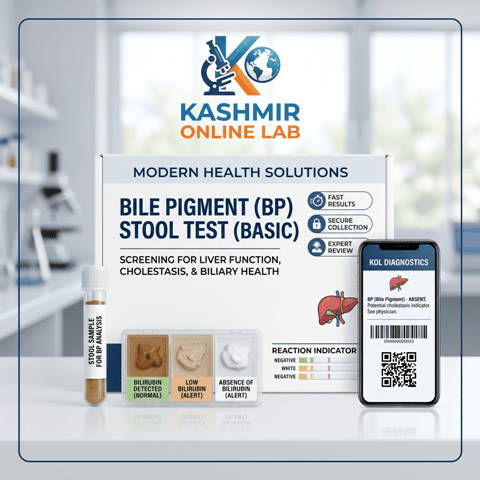
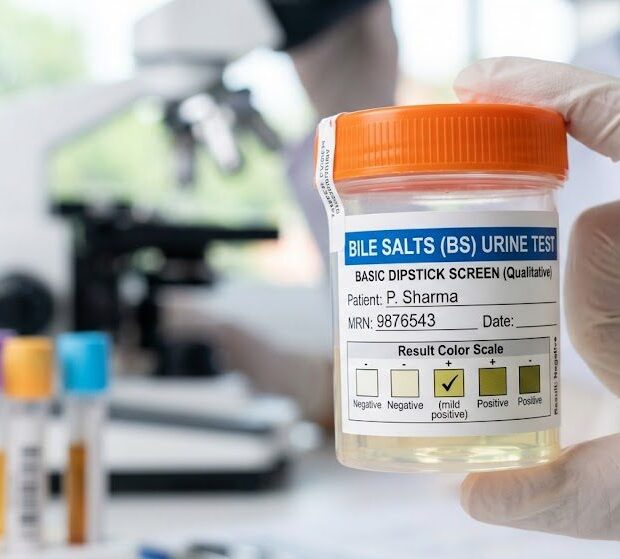
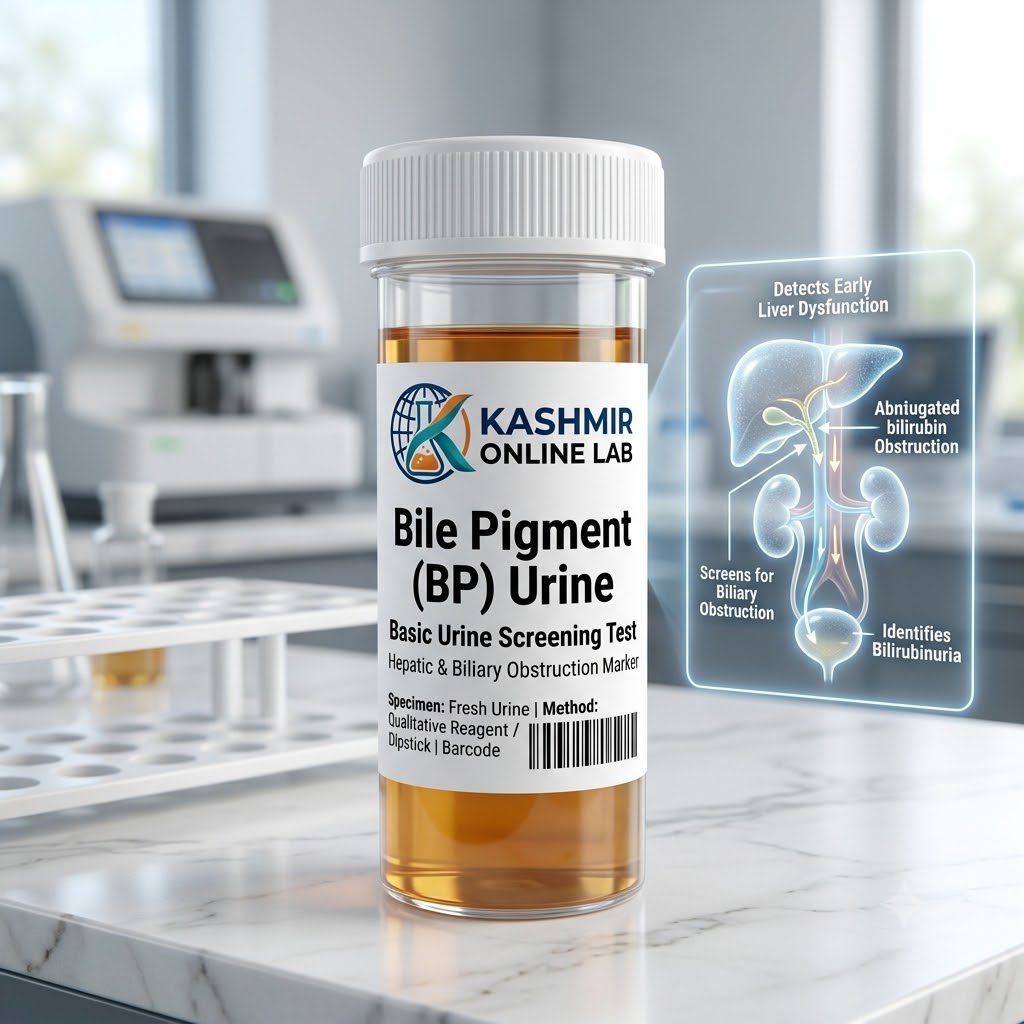
The Bile Pigment (BP) Urine – Urine Test (Basic) is a rapid qualitative screening assay used to detect the presence of bilirubin in urine. Because bile pigments are not normally detectable in healthy urine, a positive result serves as a crucial early warning sign for liver dysfunction, hepatitis, or biliary tract obstruction (cholestasis), often alerting clinicians to underlying conditions even before physical symptoms like jaundice appear.
Overview:
Bile pigments, primarily bilirubin, are waste products formed during the normal breakdown of old red blood cells in the liver. The liver processes (conjugates) bilirubin and excretes it into the bile ducts, which then empty into the small intestine to aid in digestion. In a healthy individual, virtually all conjugated bilirubin is eliminated through the digestive tract, leaving urine completely free of detectable bile pigments.
When the liver is damaged or when the bile ducts become blocked, conjugated bilirubin cannot be excreted properly into the intestines. Instead, it backs up into the bloodstream and is filtered out by the kidneys, appearing in the urine (a condition known as bilirubinuria). The Bile Pigment (BP) Urine Test is a non-invasive, frontline diagnostic tool that identifies this abnormal leakage.
Clinical Significance:
Early Detection of Liver Disease: Bilirubin often appears in the urine before serum bilirubin levels rise high enough to cause visible yellowing of the skin or eyes (clinical jaundice). This makes the urine BP test an invaluable screening tool for detecting early hepatocellular damage from viral hepatitis, alcohol-induced liver injury, or hepatotoxic medications.
Identifies Biliary Obstruction: A positive urine bile pigment result strongly points toward cholestasis—an obstruction of bile flow caused by gallstones, biliary strictures, or tumors within the pancreatic-biliary system.
Differentiates Types of Jaundice: This test helps clinicians distinguish between different causes of jaundice. For example, in hemolytic jaundice (caused by rapid red blood cell destruction), urine bilirubin remains negative because unconjugated bilirubin is water-insoluble and cannot be filtered by the kidneys. Conversely, in hepatic or obstructive jaundice, urine bilirubin is positive.
Routine Health & Monitoring: Frequently included as part of a routine urinalysis (R&M) or used to monitor the progress and recovery of patients undergoing treatment for established liver disorders.
When is this test recommended?
Healthcare providers typically order the Bile Pigment Urine Test when a patient presents with:
Signs of potential liver or biliary dysfunction, such as dark amber or tea-colored urine, pale stools, chronic fatigue, or upper right abdominal pain.
Unexplained itching (pruritus) or yellowing of the skin/sclera (jaundice).
A history of exposure to viral hepatitis, excessive alcohol consumption, or potentially liver-toxic medications.
Routine annual health screenings or pre-operative medical evaluations.
Sample Requirements:
Specimen: Fresh Urine (approx. 15–30 mL). A clean-catch midstream sample is preferred.
Container: A clean, sterile, leak-proof urine specimen container.
Patient Preparation & Sample Handling:
General: No special fasting is required. However, patients should ensure thorough hygiene before collection to avoid sample contamination.
Light Sensitivity Alert: Bilirubin is highly sensitive to light and degrades rapidly at room temperature. The urine sample must be delivered to the laboratory promptly or protected from direct light and refrigerated if there is any delay in testing, as prolonged light exposure can cause a false-negative result.
Interpretation of Results
| Result | Clinical Interpretation | Next Steps / Action |
| Negative (Normal) | No detectable bile pigments in the urine. This is the expected, healthy baseline. | No action required unless symptoms persist, in which case further serum testing may be indicated. |
| Positive (Abnormal) | Indicates the presence of conjugated bilirubin in urine. Suggests liver cell damage (hepatitis, cirrhosis) or biliary obstruction (gallstones, strictures). | Requires immediate clinical correlation and confirmatory testing, such as a Liver Function Panel (LFT), Serum Bilirubin fractioning, and abdominal ultrasound. |