Description
Overview: Your body gets Vitamin D from three sources: sunlight, diet (fatty fish, egg yolks, fortified foods), and supplements. Your liver converts all these forms into 25-hydroxyvitamin D (25(OH)D), which is the primary circulating form in the blood. This test measures the total amount of 25(OH)D (both D2 from plants and D3 from animals/sun), providing the best indicator of your overall Vitamin D status.
Clinical Significance:
Bone Health: Vitamin D is critical for your body to absorb calcium. Deficiency can lead to soft, weak, or brittle bones, causing conditions like rickets in children and osteomalacia or osteoporosis in adults.
Deficiency is Common: Many people are deficient without knowing it, especially those with limited sun exposure, dark skin, older adults, obese individuals, and those with malabsorption conditions (like Crohn’s or celiac disease).
Overall Health: Beyond bones, adequate Vitamin D is vital for muscle function, nerve signaling, and a healthy immune system. Low levels have been linked to an increased risk of certain autoimmune diseases, infections, and even some cancers.
Toxicity: This test also helps monitor for Vitamin D toxicity (hypervitaminosis D), which can occur from taking too many supplements and can cause dangerous calcium buildup.
When is this test recommended?
For individuals with symptoms of deficiency like bone pain, muscle weakness, or fatigue.
To screen high-risk groups, including the elderly, people with dark skin, those who get little sun, and patients with osteoporosis or malabsorption disorders.
To monitor patients taking Vitamin D supplements to ensure they are reaching a healthy level without becoming toxic.
Sample Requirements:
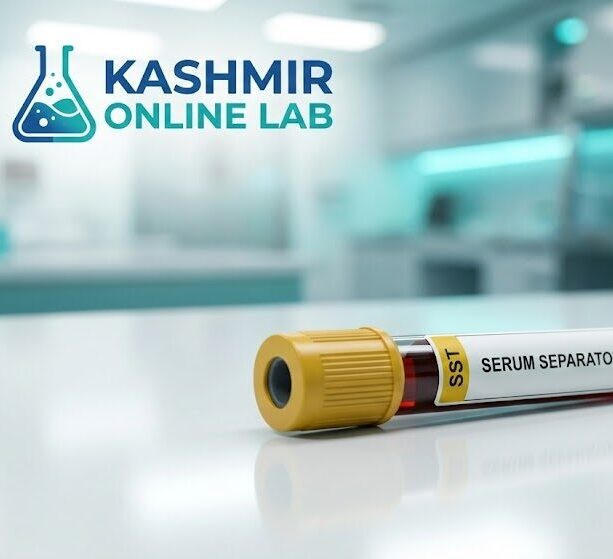
Specimen: Serum.
Container: Gold Top (SST) or Red Top Tube.
Preparation: Fasting is not typically required, but check with your lab for specific instructions.