Description
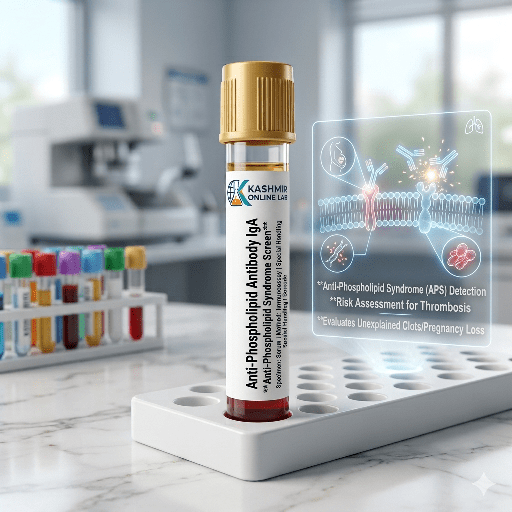
The Anti-Phospholipid Antibody IgA test is a specialized blood assay performed at Kashmir Online Lab to detect and measure immunoglobulin A (IgA) isotypes of autoantibodies that target phospholipids and phospholipid-associated proteins. This test is a critical component in the diagnostic workup for Anti-Phospholipid Syndrome (APS), an autoimmune condition associated with an increased risk of blood clots and pregnancy-related complications.
Overview:
Phospholipids are crucial fat molecules that make up the outer membranes of all living cells, including blood cells and the lining of blood vessels. In Anti-Phospholipid Syndrome (APS), the immune system produces autoantibodies that target these phospholipids or the proteins bound to them. The Anti-Phospholipid Antibody IgA test specifically measures the Immunoglobulin A (IgA) class of these antibodies. While IgG and IgM are more commonly tested, detecting the IgA isotype provides a critical, comprehensive evaluation for patients who may be negative for other markers but still exhibit strong clinical symptoms of APS.
Clinical Significance:
- Risk Assessment for Thrombosis: Elevated levels of these antibodies are strongly linked to an increased risk of forming inappropriate blood clots in veins (like deep vein thrombosis or DVT) and arteries (which can lead to strokes).
- Evaluating Pregnancy Complications: This test is a vital component in investigating recurrent, unexplained pregnancy loss (especially in the second or third trimester), premature births, or severe preeclampsia.
- Comprehensive APS Diagnosis: APS is diagnosed based on both clinical events (clots or pregnancy issues) and persistent laboratory findings. The IgA test is often ordered alongside IgG and IgM tests, as well as the Lupus Anticoagulant test, to complete the diagnostic picture.
When is this test recommended?
Healthcare providers typically order this test when a patient experiences:
- Unexplained blood clots in the legs, lungs, or other organs.
- A history of multiple unexplained miscarriages or late-term pregnancy complications.
- Symptoms of an underlying autoimmune connective tissue disease, such as Systemic Lupus Erythematosus (SLE), as these patients are at a higher risk for developing secondary APS.
- Unexplained prolonged clotting times on routine coagulation screening tests (like aPTT).
Sample Requirements:
- Specimen: Blood (Serum).
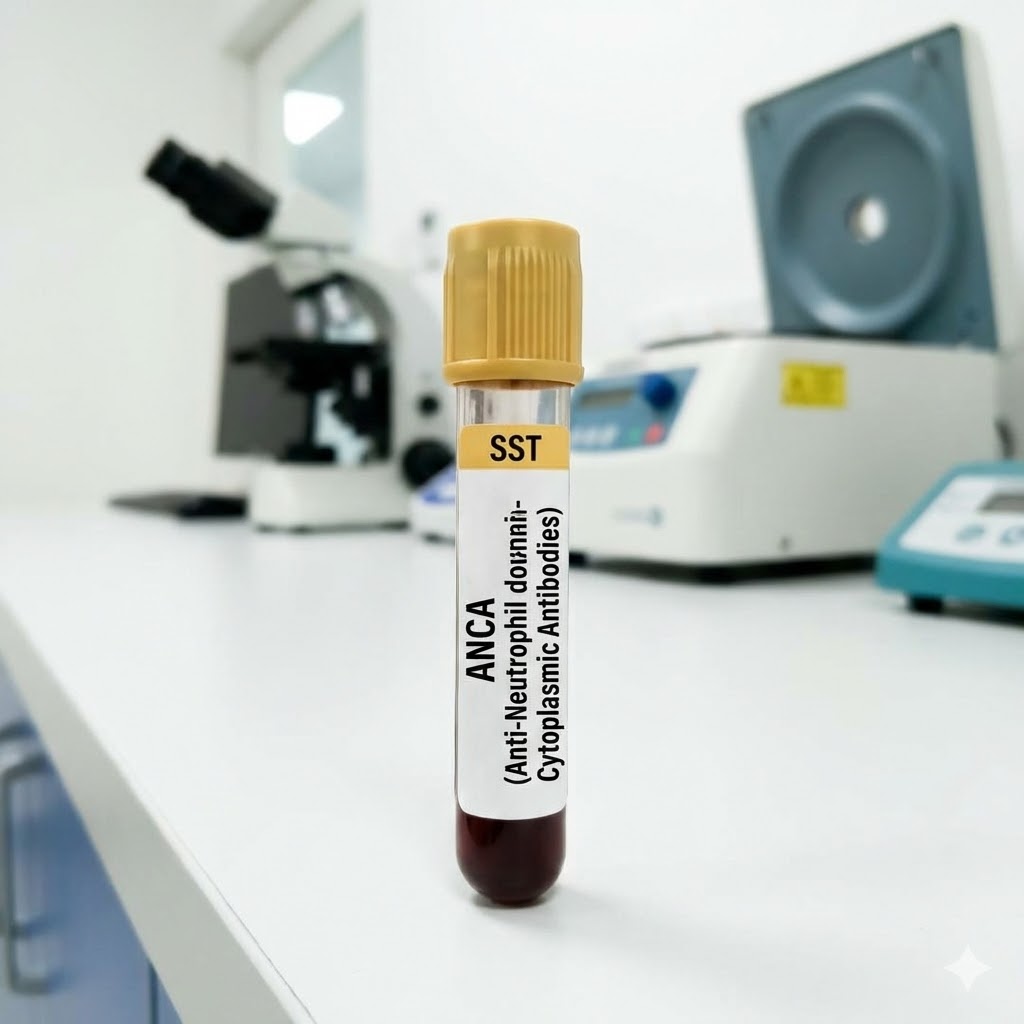
- Container: A standard Gold-top Serum Separator Tube (SST).
Patient Preparation:
- General: No fasting is strictly required for this specific antibody test; patients can usually maintain their normal diet.
- Medications: Patients should inform their doctor of any blood-thinning medications (anticoagulants) they are taking, although these typically do not interfere directly with the antibody immunoassay itself.