Description
The Anti-Thyroglobulin Antibody (Anti-Tg) test is a definitive blood assay used to measure antibodies that mistakenly attack thyroglobulin, a protein produced by the thyroid gland. This test is a critical marker for diagnosing autoimmune thyroid diseases like Hashimoto’s and Grave’s disease. Furthermore, in patients treated for differentiated thyroid cancer, Anti-Tg is vital for monitoring cancer recurrence.
Overview:
Thyroglobulin is a large protein stored within the thyroid gland, essential for thyroid hormone synthesis. In certain autoimmune conditions and some thyroid cancers, the immune system produces autoantibodies that target thyroglobulin. The Anti-Thyroglobulin Antibody (Anti-Tg) test measures the level of these antibodies in the serum. While frequently found in patients with autoimmune thyroiditis, the test’s clinical utility expands significantly in the context of thyroid cancer management, particularly following surgery or radioiodine therapy.
Clinical Significance:
- Diagnosing Autoimmune Thyroid Disease: Elevated Anti-Tg levels are found in approximately 70–80% of patients with Hashimoto’s thyroiditis (the leading cause of hypothyroidism) and about 30% of patients with Grave’s disease (the leading cause of hyperthyroidism). While TPO antibodies are often a better primary marker for Hashimoto’s, measuring Anti-Tg is essential when TPO antibodies are negative, or in patients with specific symptoms or thyroid nodules.
- Monitoring Thyroid Cancer Recurrence: This is the most crucial use. After a patient has had their thyroid removed (thyroidectomy) or received radioiodine treatment to eliminate all thyroid tissue, thyroglobulin levels in the blood should become undetectable. If Anti-Tg antibodies are positive in these patients, it can obscure the measurement of thyroglobulin (making it seem falsely low). Therefore, the persistence or rise of Anti-Tg antibodies in a post-treatment thyroid cancer patient can be an early indicator of cancer recurrence.
- Post-Surgery & Radioiodine Status: The Anti-Tg assay is essential for interpreting the results of the serum thyroglobulin test in cancer monitoring panels, providing context for the total immune status of the patient toward their (now mostly absent) thyroid tissues.
When is this test recommended?
Healthcare providers typically order the Anti-Tg test when:
- Investigating symptoms of thyroid dysfunction (fatigue, weight gain/loss, goiter, etc.).
- As part of a prenatal screening panel for women with known autoimmune thyroid disease.
- Critically, at routine intervals in patients who have undergone thyroidectomy or radioiodine treatment for differentiated thyroid cancer.
Sample Requirements:
- Specimen: Blood (Serum).
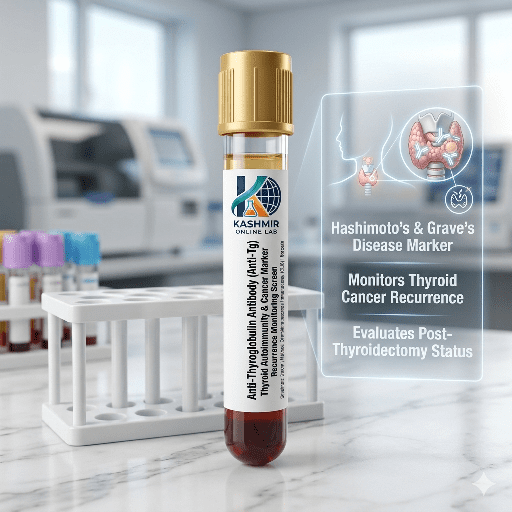
- Container: A standard Gold-top Serum Separator Tube (SST) (as pictured), containing a clot activator and separation gel.
Patient Preparation:
- General: No specific fasting is typically required. Patients can eat and drink normally before the test. It is crucial to inform your doctor about all active medications and supplements, especially biotin (high-dose biotin can interfere with many hormone/immunoassay assays).