Description
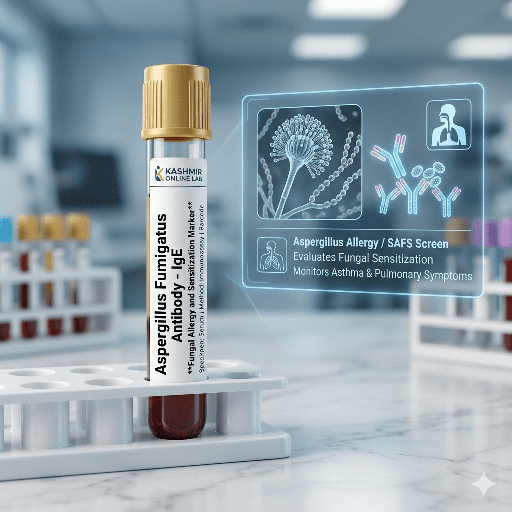
The Aspergillus Fumigatus Antibody IgA test is a highly specialized blood assay used to measure specific Immunoglobulin A (IgA) antibodies against the common fungus, Aspergillus fumigatus. Since IgA is the primary antibody class found in the mucosal linings of the airways, this test is a crucial marker for identifying acute mucosal involvement, early sensitization, or active flare-ups, specifically used in the comprehensive diagnostic workup for Allergic Bronchopulmonary Aspergillosis (ABPA).
Overview:
When standard allergy testing for Aspergillus fumigatus (such as IgE or skin prick tests) is combined with antibody testing (IgG and IgA), a complete immunological picture can be formed to diagnose complex conditions like Allergic Bronchopulmonary Aspergillosis (ABPA). ABPA is a severe hypersensitivity reaction to Aspergillus spores that colonize the airways of patients with asthma or cystic fibrosis.
The Aspergillus Fumigatus Antibody IgA assay specifically isolates and measures the IgA isotype. This isotype is dominant in mucosal secretions. A significantly elevated IgE and/or IgG level is a standard criterion for ABPA, but some patients with borderline or acute symptoms may only show a rise in IgA, which can correlate directly with active Aspergillus activity within the mucosal airways. This test provides essential data, helping clinicians differentiate simple Aspergillus asthma or bronchitis from ABPA, a condition requiring potent antifungal and corticosteroid therapy.
Clinical Significance:
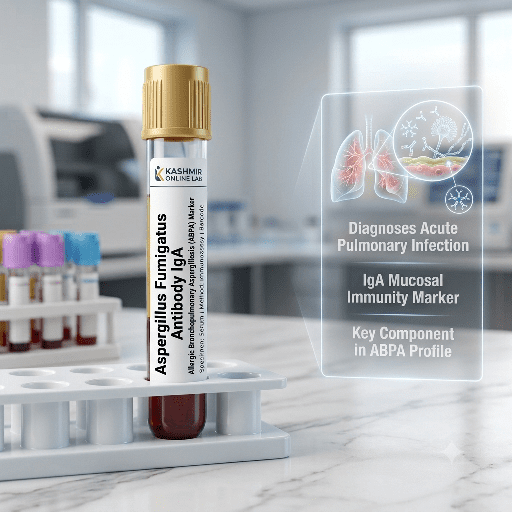
- Key Component in ABPA Profile: While not a standalone diagnostic test, an elevated Aspergillus IgA is a recognized secondary criterion, providing additional confirmation for an ABPA diagnosis in difficult cases.
- IgA Mucosal Immunity Marker: The IgA isotype directly measures the immune defense strategy within the airway mucosa, offering information on acute mucosal exposure or reaction.
- Diagnoses Acute Pulmonary Infection: A recent rise in IgA antibodies can indicate a new acute infection, colonization, or an acute exacerbation of an established disease, helping guide timely medical intervention.
When is this test recommended?
Healthcare providers typically order the Aspergillus Fumigatus IgA test as part of a comprehensive pulmonary allergy and immunology panel for patients who:
- Have established asthma or cystic fibrosis and experience worsening, unexplainable pulmonary symptoms (e.g., persistent cough, fever, shortness of breath, recurrent infections).
- Have a documented high IgE Aspergillus sensitization but borderline Aspergillus IgG precipitin levels.
- Are undergoing monitoring for existing ABPA, as shifts in IgA levels can sometimes signal an imminent flare-up.
Sample Requirements:
- Specimen: Blood (Serum).
- Container: A standard Gold-top Serum Separator Tube (SST).
Patient Preparation:
- General: No specific fasting or special preparation is required. Patients should discuss all current medications (including corticosteroids) with their physician, as these may impact antibody production levels.