
Description
Overview: While IgM antibodies appear early in an infection and fade relatively quickly, IgG antibodies appear later (usually 2-3 weeks after infection starts) and can persist in the body for years. This test is essential for distinguishing between a new, acute infection and one that has been present for months or years.
Clinical Significance:
Chronic Infection: High IgG levels in the absence of IgM usually indicate chronic Brucellosis. This form of the disease can cause long-term fatigue, joint destruction, and recurring fevers.
Past Exposure: Low but detectable levels of IgG may simply mean the person was exposed to Brucella in the past and has recovered.
Treatment Monitoring: For patients on antibiotics for Brucellosis, doctors monitor IgG levels over months. A gradual decline in IgG suggests the treatment is working effectively.
Relapse: A sudden rise in IgG levels in a previously treated patient is a strong indicator of a relapse (return of the infection).
When is this test recommended?
For patients with symptoms lasting months or years (chronic fatigue, arthritis, lower back pain).
To differentiate between acute (IgM) and chronic (IgG) stages of the disease.
To monitor occupational health in high-risk workers (vets, farmers) to check for historical exposure.
Sample Requirements:
Specimen: Serum (Blood).
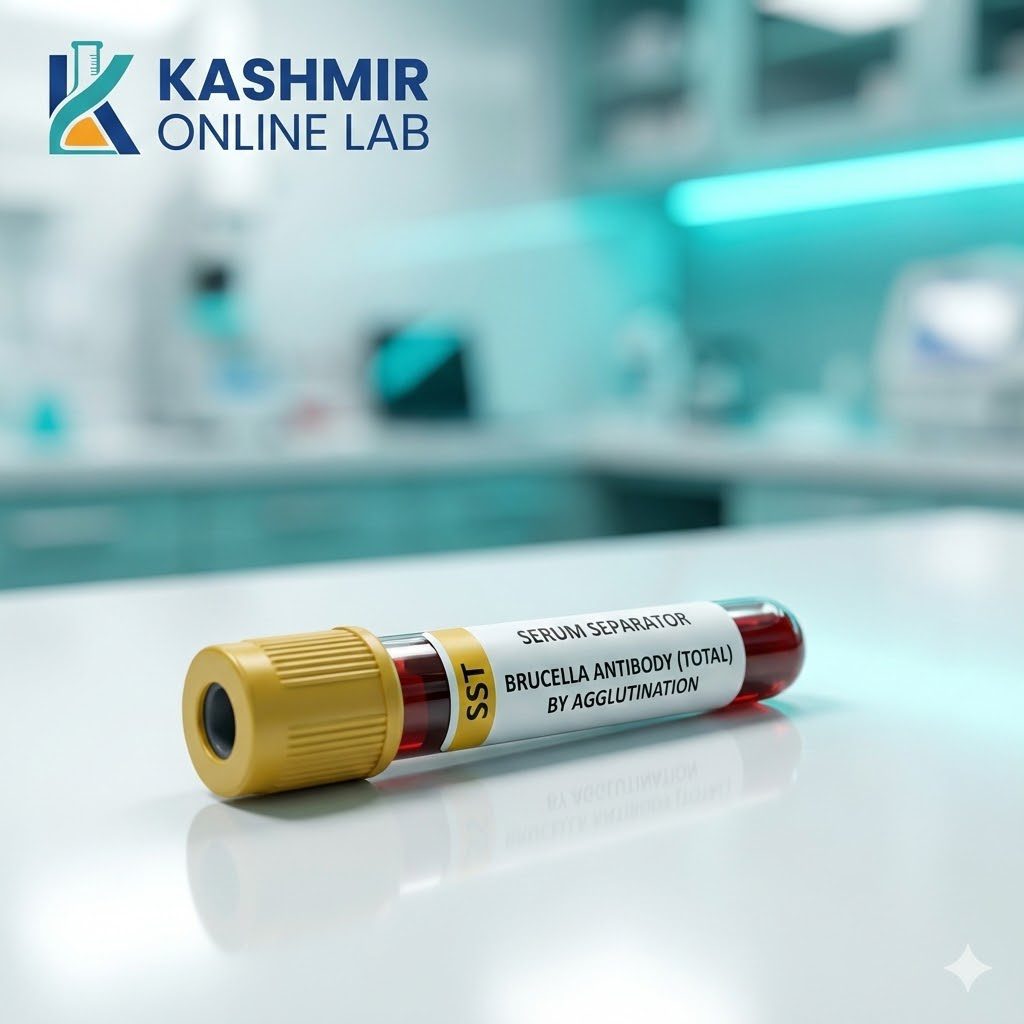
Container: Gold Top (SST) or Red Top Tube.
Preparation: No special preparation or fasting is required.