Description
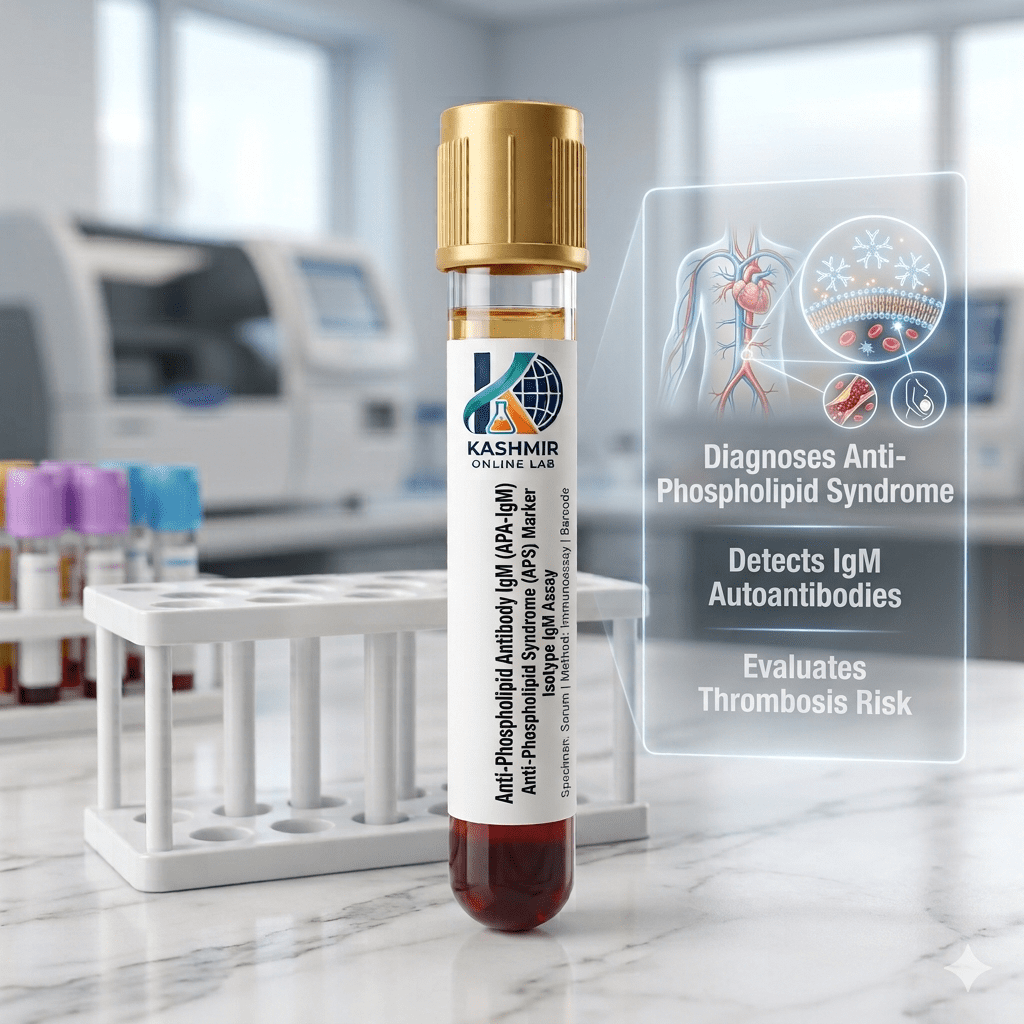
The Anti-Phospholipid Antibody IgM test is a vital blood assay used alongside IgG testing to help diagnose Anti-Phospholipid Syndrome (APS). It specifically detects the IgM class of autoantibodies that mistakenly attack the body’s lipid-protein complexes, helping physicians evaluate the risk of inappropriate blood clots and recurrent pregnancy complications.
Overview:
In autoimmune disorders like Anti-Phospholipid Syndrome (APS), the immune system produces autoantibodies that target phospholipids (essential cell membrane fats) or their associated binding proteins. While IgG is the most abundant and commonly tested isotype, IgM is typically the first antibody produced by the immune system in response to an antigen. The APA-IgM test specifically isolates and measures this Immunoglobulin M class. Because some patients with APS may only produce IgM antibodies (testing negative for IgG), this assay is a crucial component of a complete diagnostic workup.
Clinical Significance:
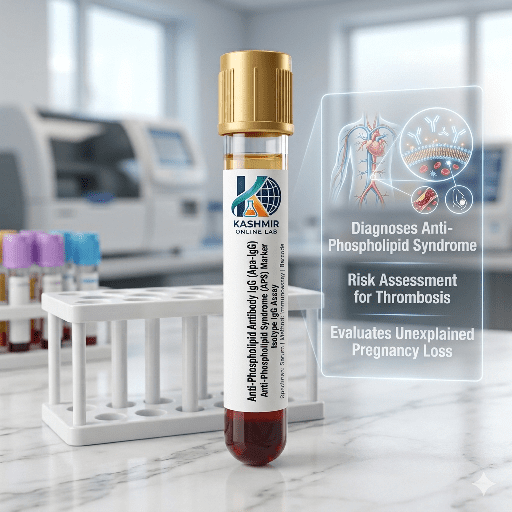
- Diagnoses Anti-Phospholipid Syndrome (APS): A moderate to high level of APA-IgM is a primary diagnostic criterion for APS. To confirm the diagnosis, these elevated levels must persist and be confirmed by a second test drawn at least 12 weeks later.
- Comprehensive Autoimmune Profiling: It is highly recommended to test for both IgM and IgG isotypes (and sometimes IgA) simultaneously. A positive result in any of these, when combined with clinical symptoms, helps complete the APS diagnostic picture.
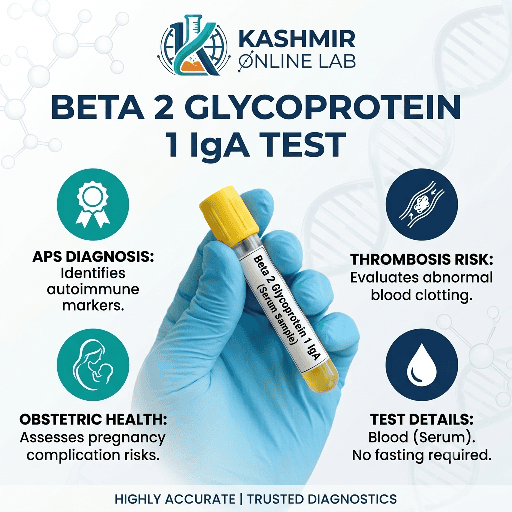
- Risk Assessment for Thrombosis: Elevated IgM antibodies are associated with an increased risk of abnormal blood clotting in veins (such as deep vein thrombosis) and arteries (which can lead to strokes).
- Evaluates Unexplained Pregnancy Complications: This test is an essential part of the investigation into recurrent miscarriages, unexplained fetal death, or premature births associated with severe preeclampsia.
When is this test recommended?
Healthcare providers typically order the APA-IgM test (usually alongside the APA-IgG test and Lupus Anticoagulant) when a patient experiences:
- An unexpected or unexplained blood clot (thrombosis) without typical risk factors.
- A history of multiple unexplained miscarriages or late-term pregnancy complications.
- Symptoms of an underlying connective tissue disorder, such as Systemic Lupus Erythematosus (SLE), as these patients are at a higher risk of developing secondary APS.
- Unexplained prolonged clotting times on routine coagulation screening tests (like aPTT).
Sample Requirements:
- Specimen: Blood (Serum).
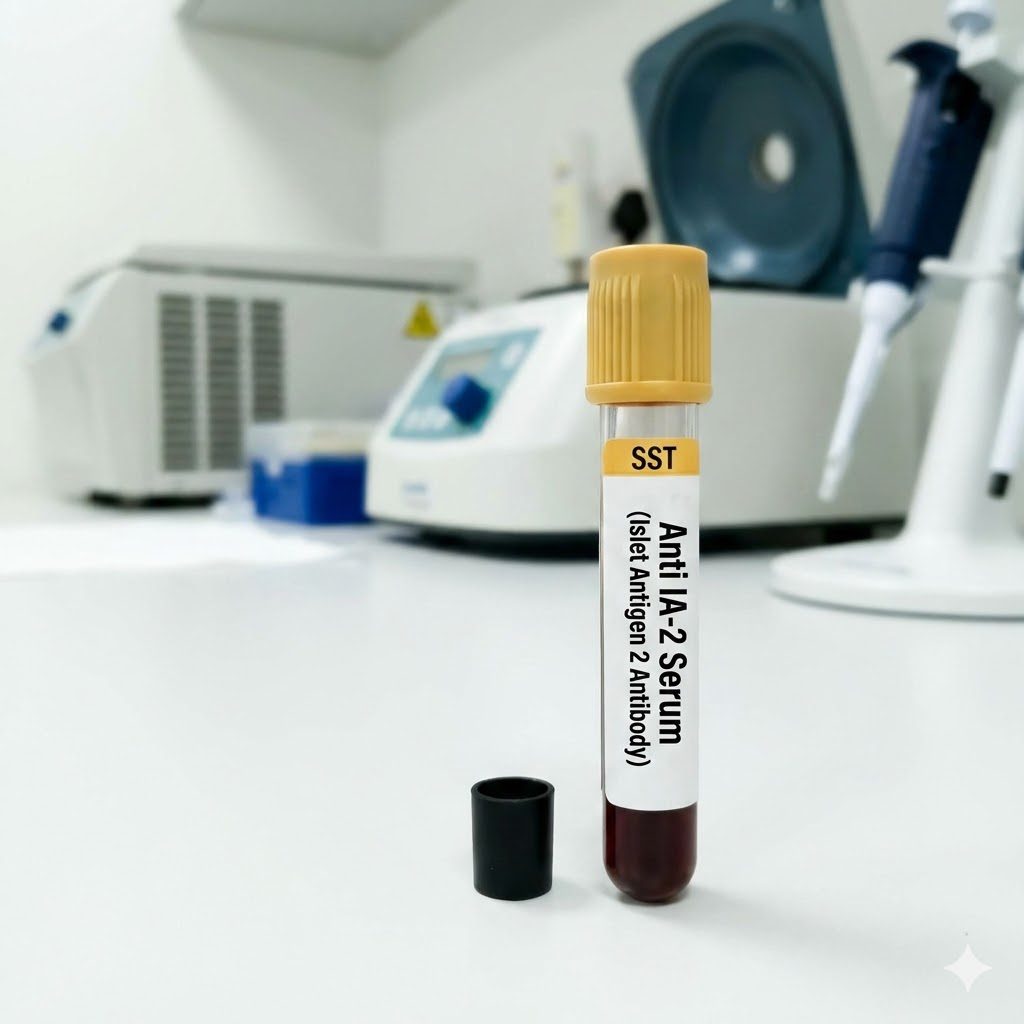
- Container: A standard Gold-top Serum Separator Tube (SST).
Patient Preparation:
- General: No specific fasting is required for this immunoassay. Patients can maintain their normal diet and hydration.
- Medications: While blood thinners (anticoagulants) do not directly interfere with the immunological detection of these antibodies, patients should always inform their physician of all active medications, as they may affect overall clinical interpretation and related coagulation panels.