Description
The Anti Jo-1 Antibody test is a specific blood assay primarily used to help diagnose and classify inflammatory myopathies (muscle diseases), such as polymyositis and dermatomyositis. It is a key marker for antisynthetase syndrome, a systemic autoimmune condition characterized by muscle inflammation and a high risk of developing severe interstitial lung disease.
Inflammatory myopathies are rare autoimmune diseases where the immune system mistakenly attacks healthy muscle tissue, causing chronic inflammation and weakness. The body produces several types of autoantibodies associated with these conditions, known as “myositis-specific antibodies.” The Anti Jo-1 Antibody is the most common and clinically relevant of these markers. It targets the histidyl-tRNA synthetase enzyme, which plays a vital role in protein synthesis within cells.
Clinical Significance:
- Diagnosing Inflammatory Muscle Disease: A positive Anti Jo-1 result is strongly associated with a diagnosis of polymyositis or dermatomyositis.
- Marker for Antisynthetase Syndrome: It is the prototypical marker for antisynthetase syndrome, a subset of myositis distinguished by a classic triad of symptoms: myositis (muscle inflammation), interstitial lung disease (ILD), and arthritis/Raynaud’s phenomenon.
- Predicting Lung Involvement: Critically, up to 70–80% of Jo-1 positive patients develop ILD, which involves scarring and inflammation of the lung tissue. Finding this antibody often prompts physicians to proactively screen for lung complications, significantly impacting long-term management and prognosis.
- Monitoring Disease Activity: In some cases, fluctuating levels of Anti Jo-1 antibodies can correspond to disease flares and responses to immunosuppressive therapy.
When is this test recommended?
Healthcare providers typically order the Anti Jo-1 Antibody test when:
- A patient shows persistent, unexplained progressive muscle weakness, particularly in the shoulders or hips.
- A physician suspects polymyositis or dermatomyositis based on symptoms (e.g., skin rashes, joint pain, muscle tenderness).
- A patient presents with undiagnosed, progressive difficulty breathing (suggestive of ILD) and also has muscle symptoms.
- It is used to differentiate myositis from other connective tissue diseases, often ordered as part of a comprehensive myositis antibody panel.
Sample Requirements:
- Specimen: Blood (Serum).
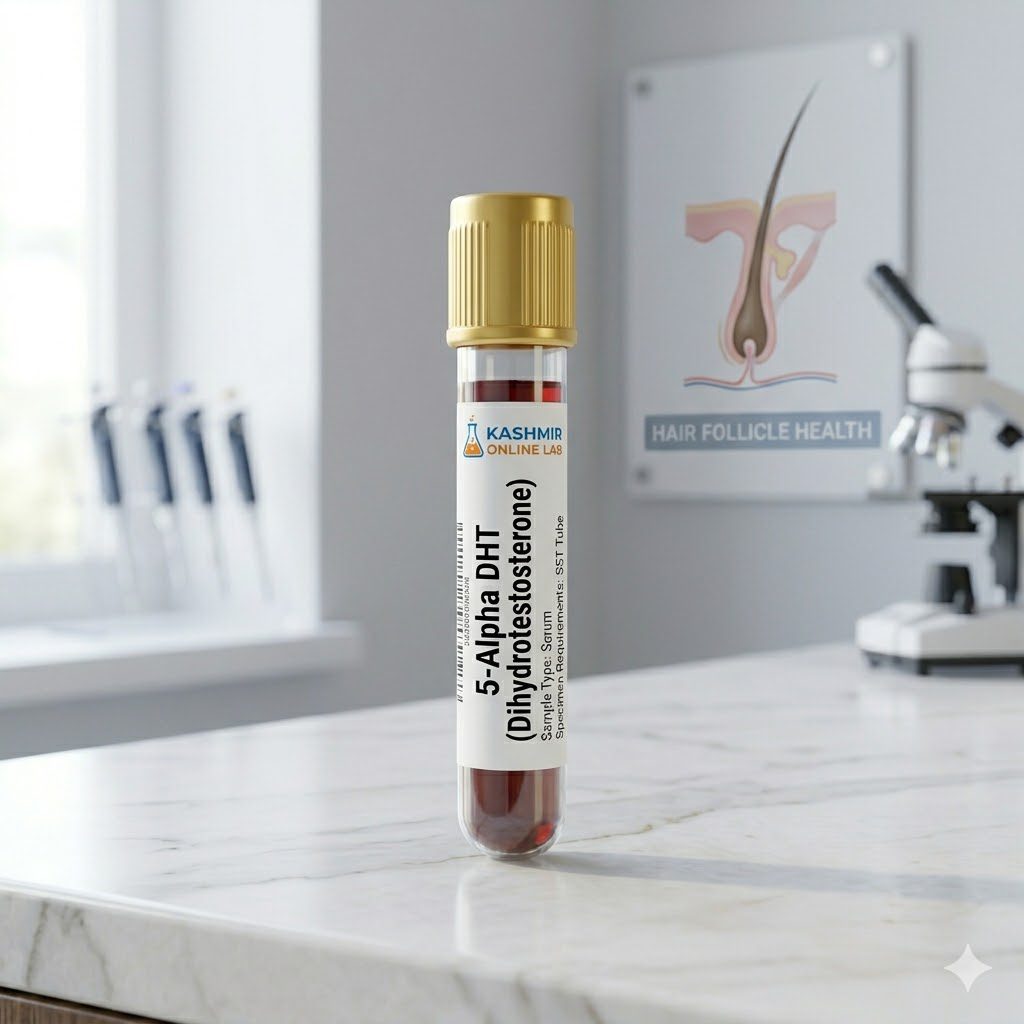
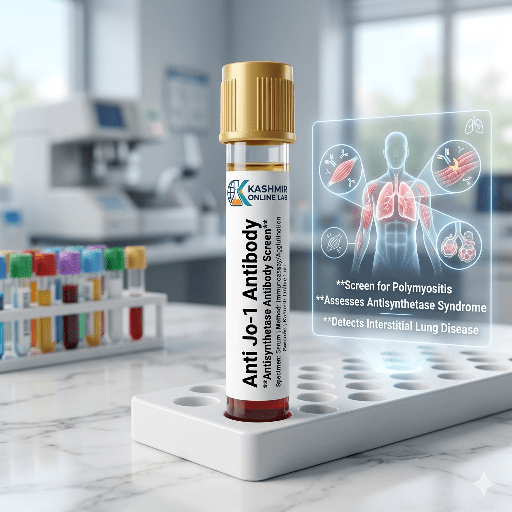
- Container: A standard Gold-top Serum Separator Tube (SST) (as pictured), containing a clot activator and separation gel.
Patient Preparation:
- General: Typically, no fasting is required. Patients can eat and drink normally before the test. It is essential to inform your doctor about all active medications, as some treatments may influence antibody levels over time.