Description
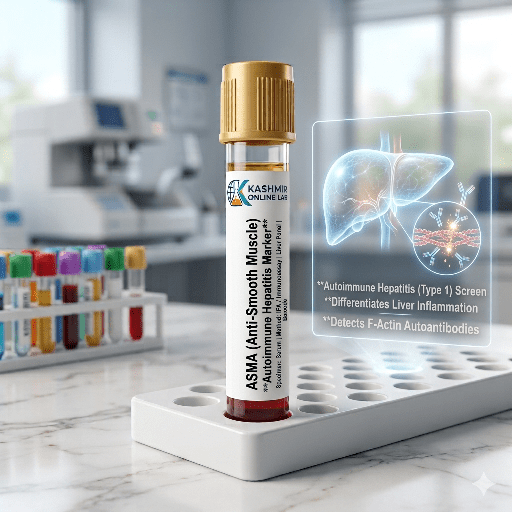
The Anti-Smooth Muscle Antibody (ASMA) test is a crucial blood test used primarily to help diagnose Autoimmune Hepatitis (AIH), particularly Type 1. It detects autoantibodies that mistakenly attack the body’s own smooth muscle tissues, helping physicians distinguish autoimmune liver inflammation from liver damage caused by viruses, alcohol, or toxins.
Overview:
In healthy individuals, the immune system creates antibodies to fight off external threats like viruses and bacteria. However, in autoimmune liver diseases, the immune system loses its targeting ability and begins attacking the liver’s own cells. The Anti-Smooth Muscle Antibody (ASMA) test measures the presence and amount (titre) of autoantibodies directed against smooth muscle proteins—most commonly a protein called F-actin. Finding these antibodies in the blood is a strong indicator of an autoimmune attack on the liver.
Clinical Significance:
- Diagnosing Autoimmune Hepatitis (Type 1): ASMA is the most common autoantibody found in Type 1 Autoimmune Hepatitis (AIH), present in up to 80% of cases. A high titre, especially when combined with a positive ANA (Antinuclear Antibody) test and elevated liver enzymes, strongly supports an AIH diagnosis.
- Differentiating Liver Diseases: Symptoms of liver disease (like jaundice or fatigue) are broadly similar regardless of the cause. The ASMA test is vital for ruling out viral hepatitis (like Hepatitis B or C) or drug-induced liver injury, ensuring the patient receives the correct immunosuppressive treatment rather than antiviral therapies.
- Other Autoimmune Conditions: While highly associated with AIH, lower titres of ASMA can occasionally be found in patients with Primary Biliary Cholangitis (PBC), another autoimmune liver disease, or even in infectious mononucleosis, making comprehensive clinical evaluation essential.
When is this test recommended?
Healthcare providers typically order the ASMA test when a patient exhibits symptoms of liver disease or has abnormal routine liver function tests (elevated AST or ALT), including:
- Unexplained jaundice (yellowing of the skin and eyes).
- Chronic, profound fatigue and weakness.
- Discomfort or pain in the upper right abdomen (over the liver).
- Dark urine or pale-colored stools.
- Unexplained joint pain or skin rashes accompanying liver symptoms.
Sample Requirements:
- Specimen: Blood (Serum).
- Container: A standard Gold-top Serum Separator Tube (SST).
Patient Preparation:
- General: No strict fasting is required for the ASMA test itself, though it is often ordered alongside a comprehensive metabolic panel or liver function tests that might require an overnight fast. Patients should follow the specific instructions provided by their physician for their complete blood work panel.