Description
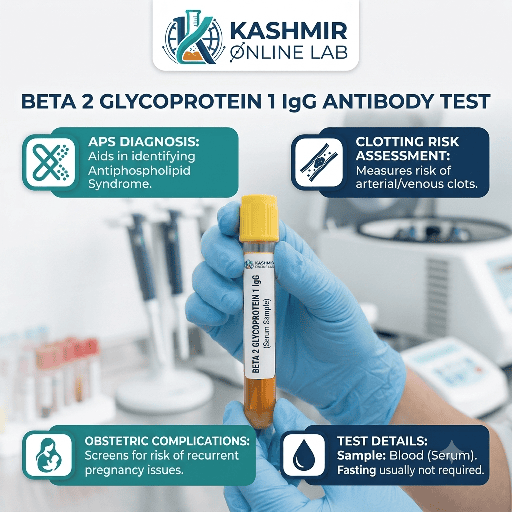
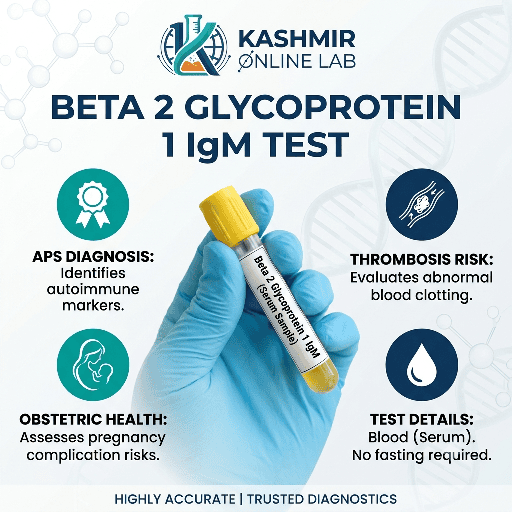
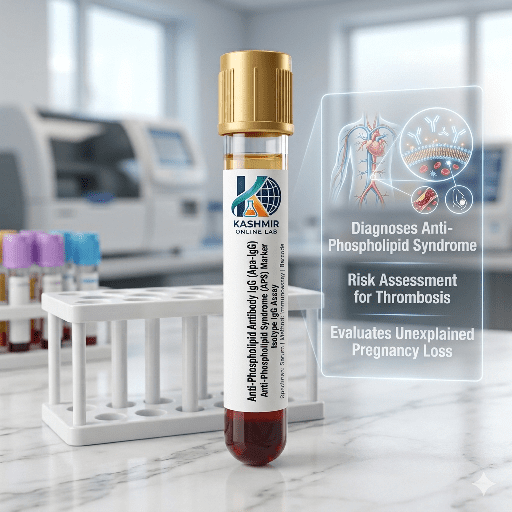
The Anti-Phospholipid Antibody IgG test is a critical blood assay used to diagnose Anti-Phospholipid Syndrome (APS). It detects the IgG class of autoantibodies that mistakenly attack the body’s lipid-protein complexes. This is the most common and clinically significant isotype associated with an increased risk of abnormal, dangerous blood clots (thrombosis) and recurrent pregnancy complications.
Overview:
Phospholipids are essential fats that make up the outer membranes of cells and play a vital role in normal blood clotting. In autoimmune conditions like Anti-Phospholipid Syndrome (APS), the body produces autoantibodies that target these phospholipids or their associated binding proteins (such as Beta-2 Glycoprotein 1). The APA-IgG test specifically measures the Immunoglobulin G (IgG) class of these antibodies. Because IgG is the most abundant type of antibody in the blood and is strongly linked to clinical symptoms, this assay is typically the most critical marker when screening for APS.
Clinical Significance:
- Diagnoses Anti-Phospholipid Syndrome (APS): A moderate to high level of APA-IgG that persists over time (confirmed with a second test at least 12 weeks later) is a primary diagnostic criteria for APS when combined with a clinical event.
- Risk Assessment for Thrombosis: High levels of IgG antibodies are strongly correlated with an increased risk of inappropriate blood clotting in both veins (Deep Vein Thrombosis – DVT, or Pulmonary Embolism – PE) and arteries (which can lead to early-onset strokes or heart attacks).
- Evaluates Unexplained Pregnancy Loss: This test is essential for investigating recurrent miscarriages (especially during the second or third trimester), unexplained fetal death, or premature births associated with severe preeclampsia, as the antibodies can disrupt placental blood flow.
- Autoimmune Profiling: It is frequently ordered for patients with existing systemic autoimmune diseases, particularly Systemic Lupus Erythematosus (SLE), as these patients have a significantly higher risk of developing secondary APS.
When is this test recommended?
Healthcare providers typically order the APA-IgG test when a patient experiences:
- An unexpected or unexplained blood clot (thrombosis) at a young age or without typical risk factors.
- A history of multiple unexplained miscarriages or late-term pregnancy complications.
- Symptoms of a connective tissue disorder like Systemic Lupus Erythematosus (SLE).
- A prolonged activated partial thromboplastin time (aPTT) discovered during routine preoperative blood work.
Sample Requirements:
- Specimen: Blood (Serum).
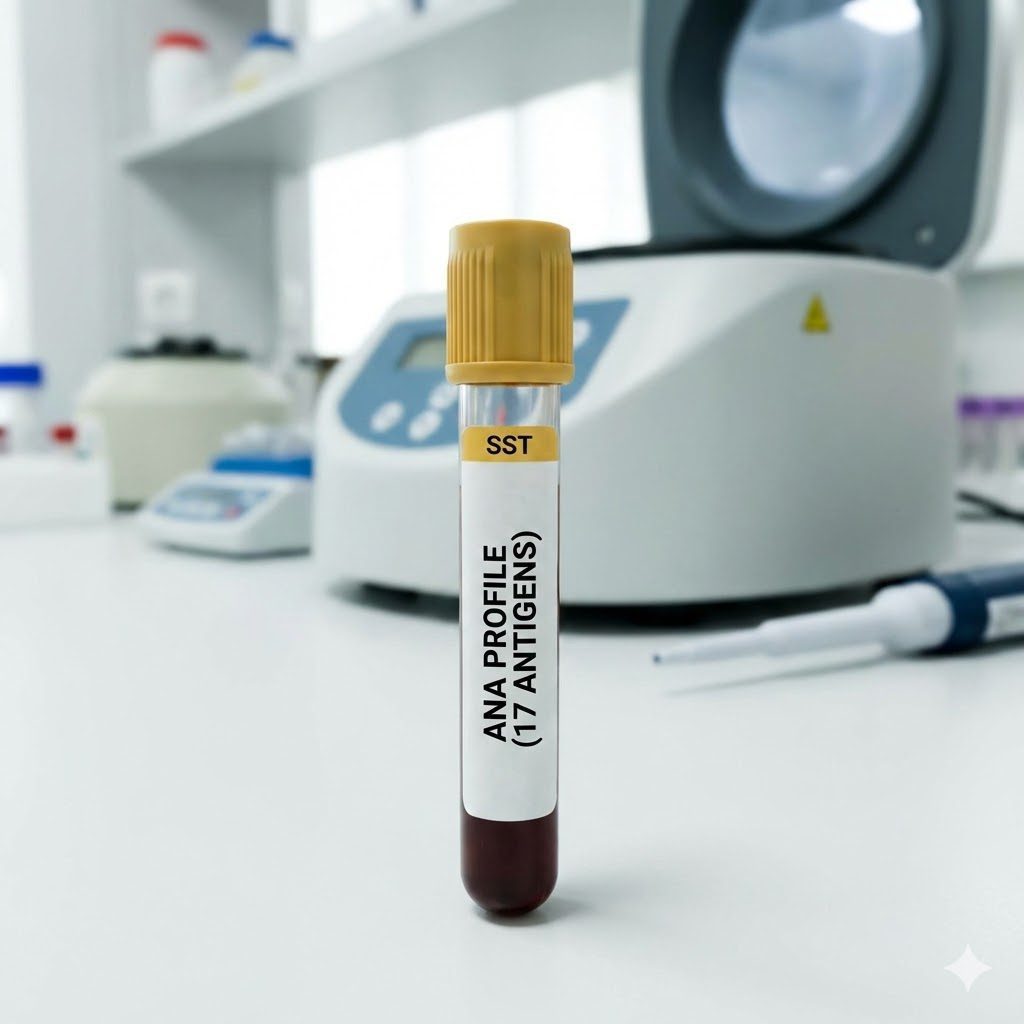
- Container: A standard Gold-top Serum Separator Tube (SST).
Patient Preparation:
- General: No specific fasting is required for this immunoassay. Patients can maintain their normal diet and hydration.
- Medications: While blood thinners (anticoagulants) do not directly interfere with the immunological detection of these antibodies, patients should always inform their physician of all active medications, as they may affect overall clinical interpretation and related coagulation panels.