Description
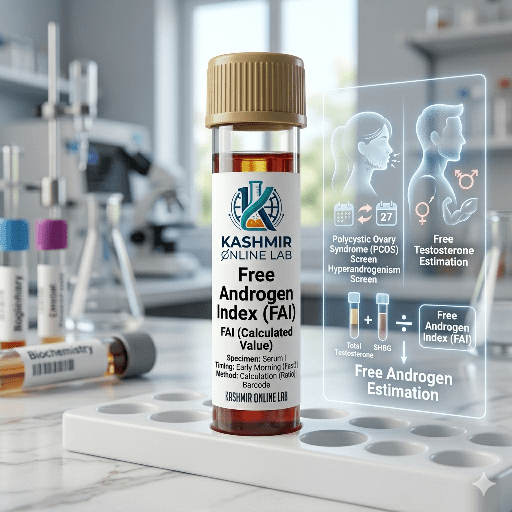
Testosterone, the primary male sex hormone (androgen), is crucial for both men and women. In the bloodstream, however, the vast majority is tightly bound to proteins, chiefly Sex Hormone-Binding Globulin (SHBG). When bound, testosterone is biologically inactive. Only a tiny fraction (about 1–3%) is “free” and available for the body’s tissues to use. The Free Androgen Index (FAI) is not a direct measurement but a formula-derived value calculated by comparing Total Testosterone against SHBG levels. This calculation provides a highly accurate estimate of the bioavailable or active androgen status.
Clinical Significance:
- Gold Standard PCOS Screen: The primary use of the FAI is in the evaluation of women presenting with signs of hyperandrogenism. It is a sensitive biochemical indicator for Polycystic Ovary Syndrome (PCOS). Because SHBG levels are often low in PCOS, a woman might have a deceptively normal total testosterone level, while her calculated Free Androgen Index—revealing high levels of active testosterone—is significantly elevated.
- Investigating Hirsutism and Acne: Doctors use the FAI to investigate the underlying causes of excessive hair growth (hirsutism), persistent acne, female pattern balding, and irregular menstrual cycles.
- Evaluating Androgen Deficiency in Men: In some cases of male hypogonadism (testosterone deficiency), the FAI can help differentiate between true testosterone deficiency and conditions where SHBG levels are abnormally high, giving a clearer picture of the active testosterone available.
When is this test recommended?
Healthcare providers typically order the Free Androgen Index test for patients experiencing:
- Excessive hair growth on the face, chest, or abdomen (in women).
- Severe or persistent adult acne.
- Female pattern hair loss or thinning on the scalp.
- Irregular or missed menstrual periods.
- In men, symptoms of low testosterone such as reduced libido, muscle loss, or fatigue.
Sample Requirements:
- Specimen: Blood (Serum).
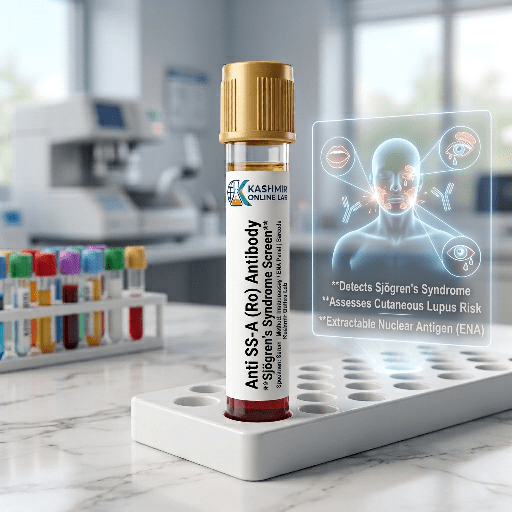
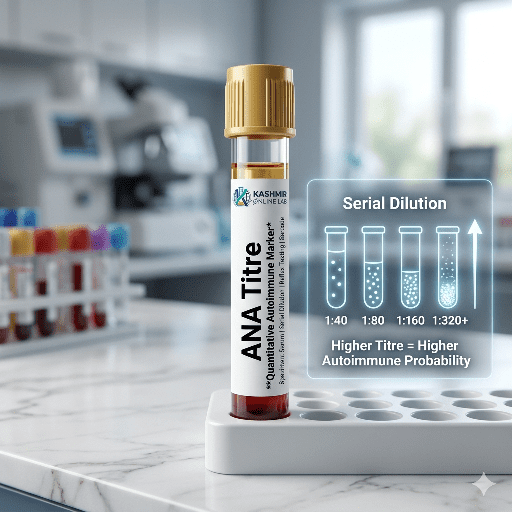
- Container: A standard Gold-top Serum Separator Tube (SST) (as shown in the image). The gold plug separates the serum from the clot.
Patient Preparation:
- Morning Draw Required: Testosterone levels peak in the early morning and fluctuate throughout the day. For accurate and standardized results, the blood draw must occur between 7:00 AM and 10:00 AM.
- Fasting: Patients are usually required to fast (no food or drink except water) for 8–12 hours prior to the morning test.
- Medication Review: Many medications, particularly oral contraceptives, androgens, and certain corticosteroids, can severely alter SHBG and testosterone levels. Discuss all current medications with your doctor before scheduling the test.