Description
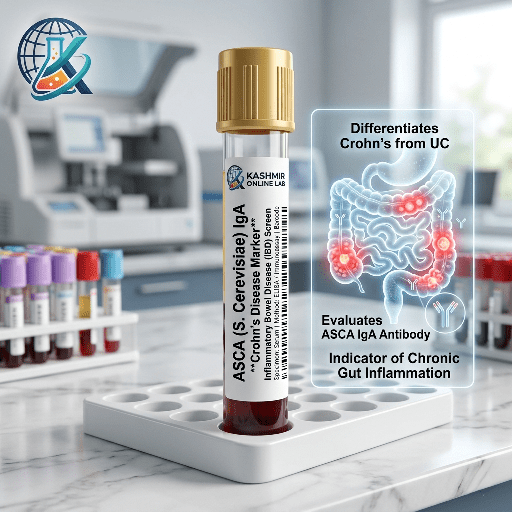
The ASCA (S. Cerevisiae) IgA test is a specialized autoimmune blood assay used primarily to evaluate patients with suspected Inflammatory Bowel Disease (IBD). It detects Immunoglobulin A (IgA) antibodies that mistakenly target a specific yeast protein. This test is highly valuable for differentiating Crohn’s Disease, where these antibodies are frequently present, from Ulcerative Colitis.
Overview:
Inflammatory Bowel Disease (IBD) is a broad term primarily encompassing two distinct conditions: Crohn’s Disease (CD) and Ulcerative Colitis (UC). Because their symptoms—such as chronic abdominal pain, severe diarrhea, and weight loss—often overlap, obtaining an accurate diagnosis can be challenging. The Anti-Saccharomyces Cerevisiae Antibody (ASCA) test detects antibodies produced by the immune system directed against Saccharomyces cerevisiae, a harmless type of baker’s yeast. While the exact reason these antibodies form is unknown, their presence is a strong biomarker for Crohn’s disease.
The IgA isotype specifically evaluates antibodies typically found in the mucous membranes, particularly in the respiratory and digestive tracts, making it highly relevant for gastrointestinal inflammation.
Clinical Significance:
- Differentiating Crohn’s from UC: ASCA antibodies (both IgA and IgG) are found in approximately 60-70% of patients with Crohn’s Disease but are present in only about 10-15% of patients with Ulcerative Colitis. When combined with a pANCA test (which is typically positive in UC and negative in CD), it provides a powerful diagnostic profile to distinguish between the two.
- Predicting Disease Severity: Elevated levels of ASCA IgA are often associated with a more aggressive disease phenotype in Crohn’s patients. High titers can indicate a higher risk for complications such as intestinal strictures (narrowing) or fistulas (abnormal connections between organs), often requiring earlier and more intensive medical or surgical intervention.
- Diagnostic Confidence: While an endoscopy and biopsy remain the gold standard for diagnosing IBD, the ASCA blood test provides crucial, non-invasive supportive evidence, especially when endoscopic results are ambiguous or when exploring a patient’s initial symptoms.
When is this test recommended?
Healthcare providers typically order the ASCA IgA test when:
- A patient presents with persistent gastrointestinal symptoms suggesting IBD (chronic diarrhea, abdominal cramping, bloody stool, unexplained weight loss).
- A physician needs to differentiate between Crohn’s Disease and Ulcerative Colitis in a patient already diagnosed with indeterminate IBD.
- It is run as part of a comprehensive IBD serology panel (often alongside ASCA IgG and pANCA).
Sample Requirements:
- Specimen: Blood (Serum).
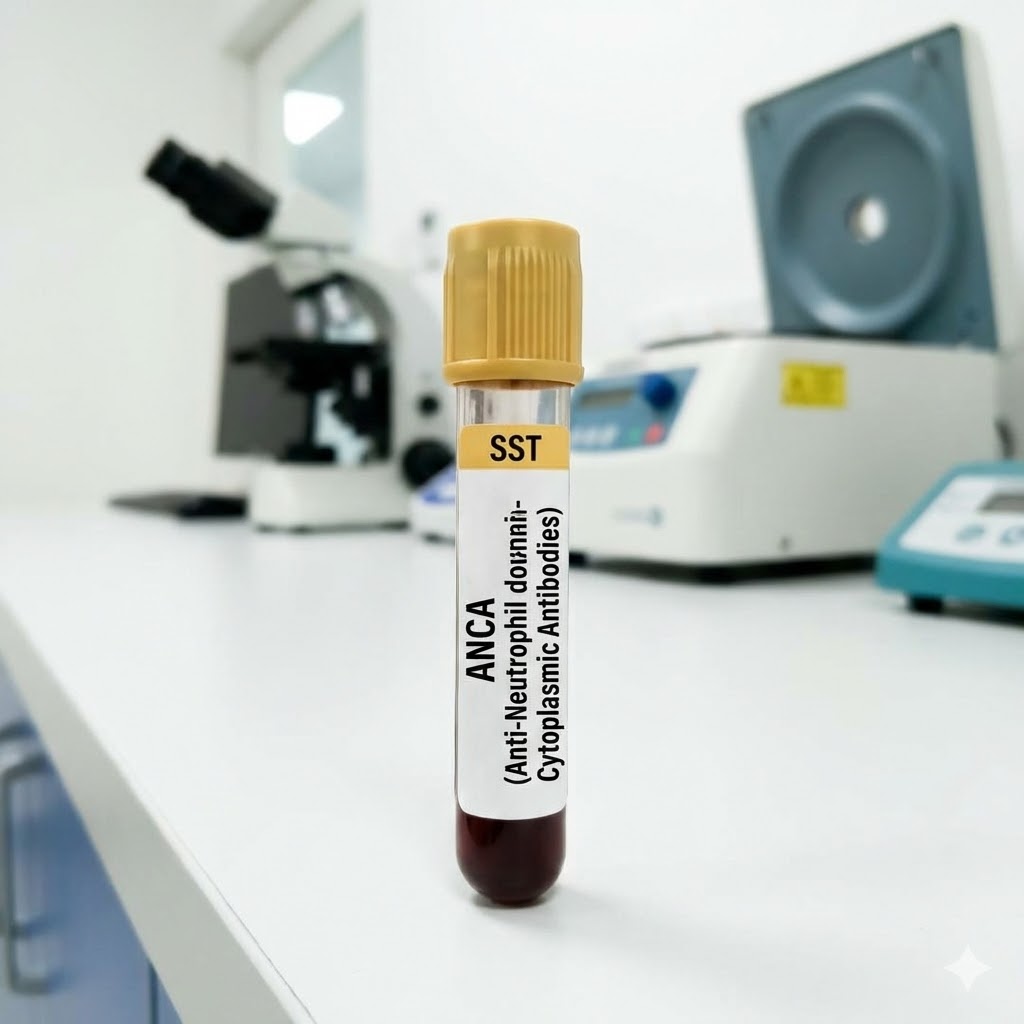
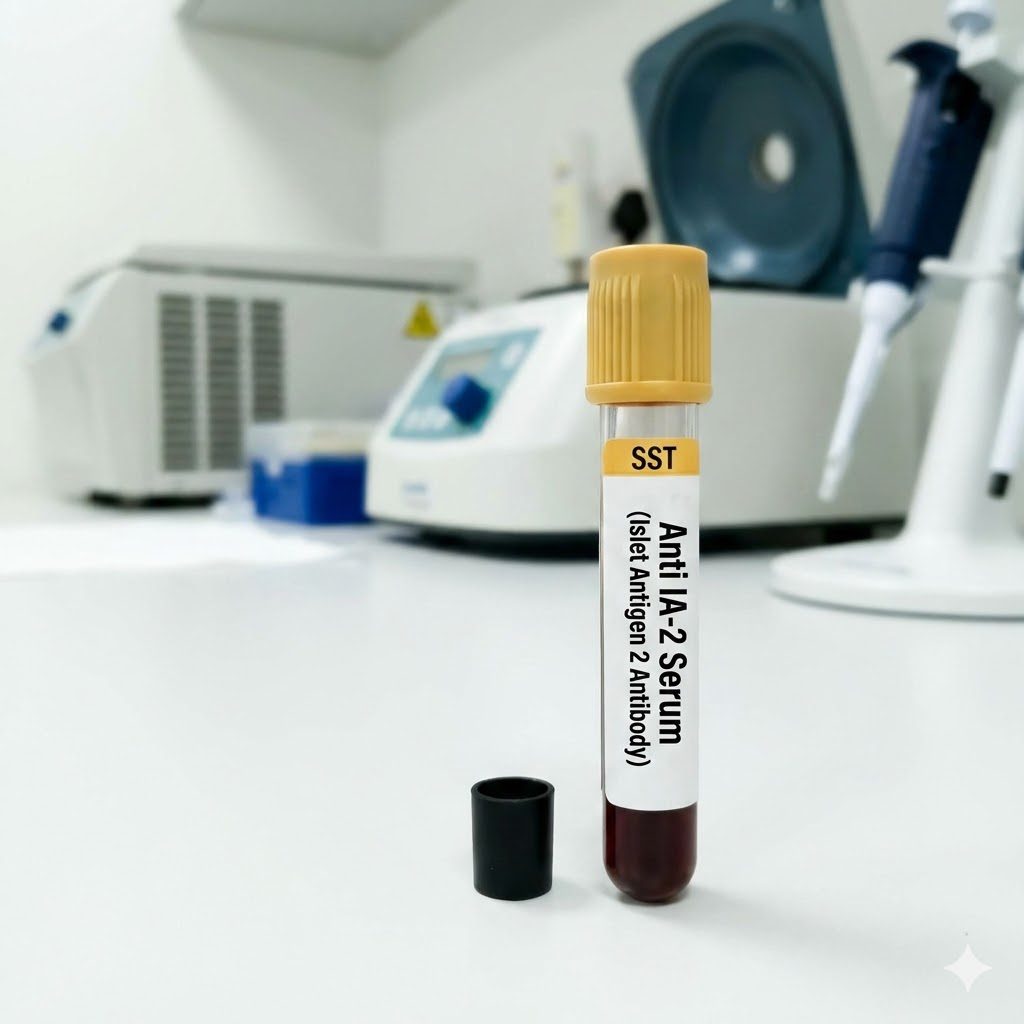
- Container: A standard Gold-top Serum Separator Tube (SST).
Patient Preparation:
- General: No special fasting or preparation is required. Patients can maintain their normal diet and fluid intake prior to the blood draw. However, it is always recommended to inform the physician of any immunosuppressive medications, as these can affect antibody levels.