Description
Overview: The TORCH panel is a group of blood tests that screen for infectious diseases that can cause birth defects if a woman contracts them during pregnancy. The “4” refers to the four main pathogens tested:
Toxoplasmosis
Rubella (German Measles)
Cytomegalovirus (CMV)
Herpes Simplex Virus (HSV)
This specific test looks for IgM antibodies. The presence of IgM indicates a current or recent infection. (In contrast, IgG antibodies represent past exposure or immunity).
Clinical Significance:
Pregnancy Safety: If a pregnant woman has an active (IgM positive) infection with any of these agents, there is a risk of “vertical transmission” to the fetus.
Congenital Defects: These infections can cause severe complications in the baby, including hearing loss, intellectual disabilities, heart defects, cataracts, and low birth weight.
Newborn Screening: The test is also used on newborns if they show signs of infection at birth (such as jaundice, rash, or small head size).
When is this test recommended?
Pre-conception or 1st Trimester: To establish the mother’s health status.
During Pregnancy: If the mother develops a rash, fever, or flu-like symptoms.
Newborn Evaluation: If an infant is born with symptoms suggesting a congenital infection.
Sample Requirements:
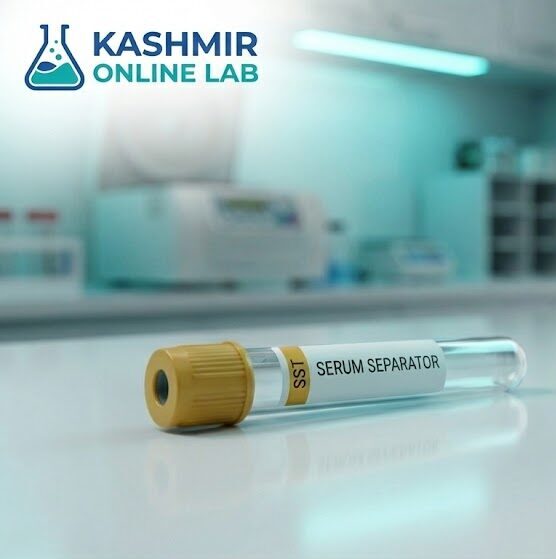
Specimen: Serum.
Container: Gold Top (SST) or Red Top Tube.
Preparation: No fasting is typically required.