Description
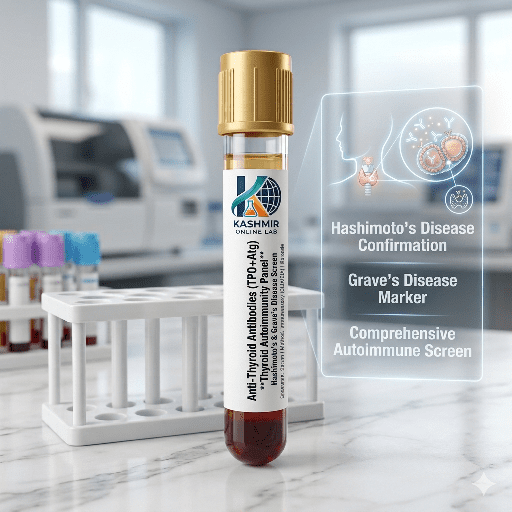
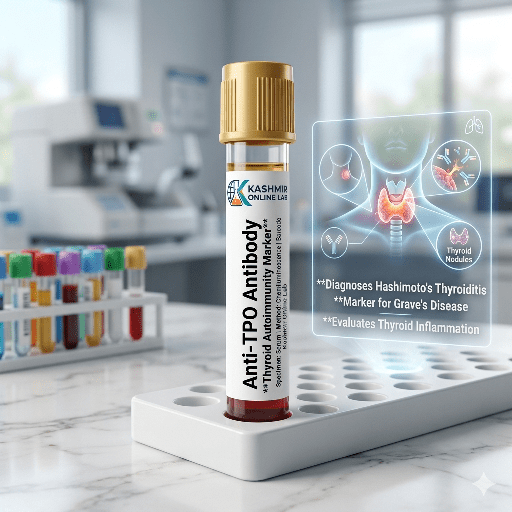
The Anti-TPO Antibody test is a definitive blood marker primarily used to detect and confirm autoimmune thyroid disease, such as Hashimoto’s thyroiditis (the most common cause of hypothyroidism) and Grave’s disease (a cause of hyperthyroidism). It detects antibodies attacking the thyroperoxidase enzyme, which is critical for thyroid hormone production.
Overview:
The thyroid gland uses a key enzyme called thyroperoxidase (TPO) to help produce vital thyroid hormones. In autoimmune diseases, the immune system mistakenly creates autoantibodies that target and destroy this enzyme, damaging the thyroid gland. The Anti-TPO Antibody test measures the level of these antibodies (specifically, thyroid peroxidase or antithyroperoxidase) in the blood. A high result is a strong indicator of an autoimmune thyroid condition.
Clinical Significance:
- Diagnosing Autoimmune Hypothyroidism (Hashimoto’s): The presence of these antibodies is found in approximately 90–95% of patients with Hashimoto’s thyroiditis.
- Diagnosing Autoimmune Hyperthyroidism (Grave’s): It is also present in about 60–80% of patients with Grave’s disease, though it is usually ordered alongside TSH receptor antibodies (TRAb) for hyperthyroidism.
- Distinguishing Non-Autoimmune Diseases: It helps clinicians differentiate autoimmune thyroiditis from other causes of hypothyroidism, such as iodine deficiency or goiter.
- Risk Assessment: Elevated levels can predict the risk of developing future thyroid dysfunction in patients who are currently euthyroid (normal thyroid function). It is also used to evaluate risk during pregnancy, as antibodies can cross the placenta.
When is this test recommended?
Healthcare providers typically order the Anti-TPO Antibody test when:
- A patient has symptoms of hypothyroidism (e.g., fatigue, weight gain, cold intolerance, goiter) and initial thyroid function tests (TSH, Free T4) are abnormal.
- It is used to investigate potential autoimmune causes of hyperthyroidism (e.g., rapid heart rate, weight loss, heat intolerance).
- During fertility evaluations or recurrent pregnancy loss investigations, as autoimmune thyroid disease is a risk factor.
- To screen individuals with a strong family history of autoimmune thyroid disorders.
Sample Requirements:
- Specimen: Blood (Serum).
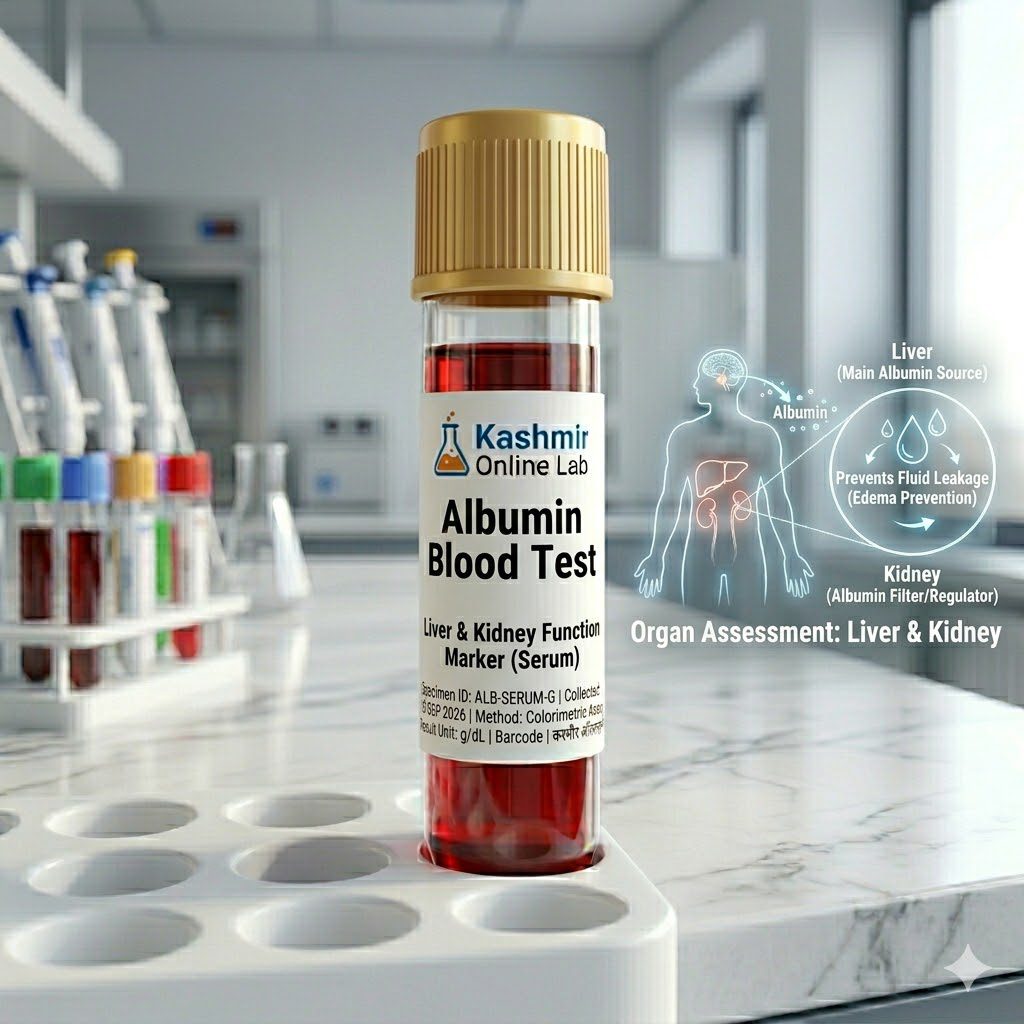
- Container: A standard Gold-top Serum Separator Tube (SST) (as pictured), containing a clot activator and separation gel.
Patient Preparation:
- General: Typically, no fasting is required. Patients can eat and drink normally before the test. It is essential to inform your doctor about all active medications and supplements, especially biotin (high-dose biotin can interfere with many hormone assays).