Description
Citrate is a crucial molecule produced during metabolism and filtered into the urine. Its primary role in the urinary tract is to prevent kidney stones (urolithiasis) by binding with calcium, making it difficult for calcium oxalate or calcium phosphate crystals to form and cluster together. A 24-hour collection provides a comprehensive measurement of daily citrate output, which is more reliable than a random sample.
Clinical Significance:
- Kidney Stone Evaluation: The main use of this test is in the metabolic workup of patients who recurrently form kidney stones. Low levels of urine citrate (hypocitraturia) are a significant risk factor for forming calcium-based stones.
- Guiding Treatment: Identification of hypocitraturia allows healthcare providers to recommend targeted treatments, such as potassium citrate supplementation, dietary changes (increasing citrus fruit intake), or adjusting medications (e.g., diuretics or certain antibiotics) that can lower citrate levels.
- Monitoring Conditions: It can also be used to monitor patients with conditions that lower urinary citrate, such as distal renal tubular acidosis (dRTA), chronic diarrhea, or highly acidic diets.
When is this test recommended?
- When a patient has a history of recurrent kidney stones, particularly calcium stones.
- To evaluate the effectiveness of current therapy for preventing stones.
- In patients with chronic diarrhea or complex acid-base imbalances.
Sample Requirements:
- Specimen: 24-Hour Urine.
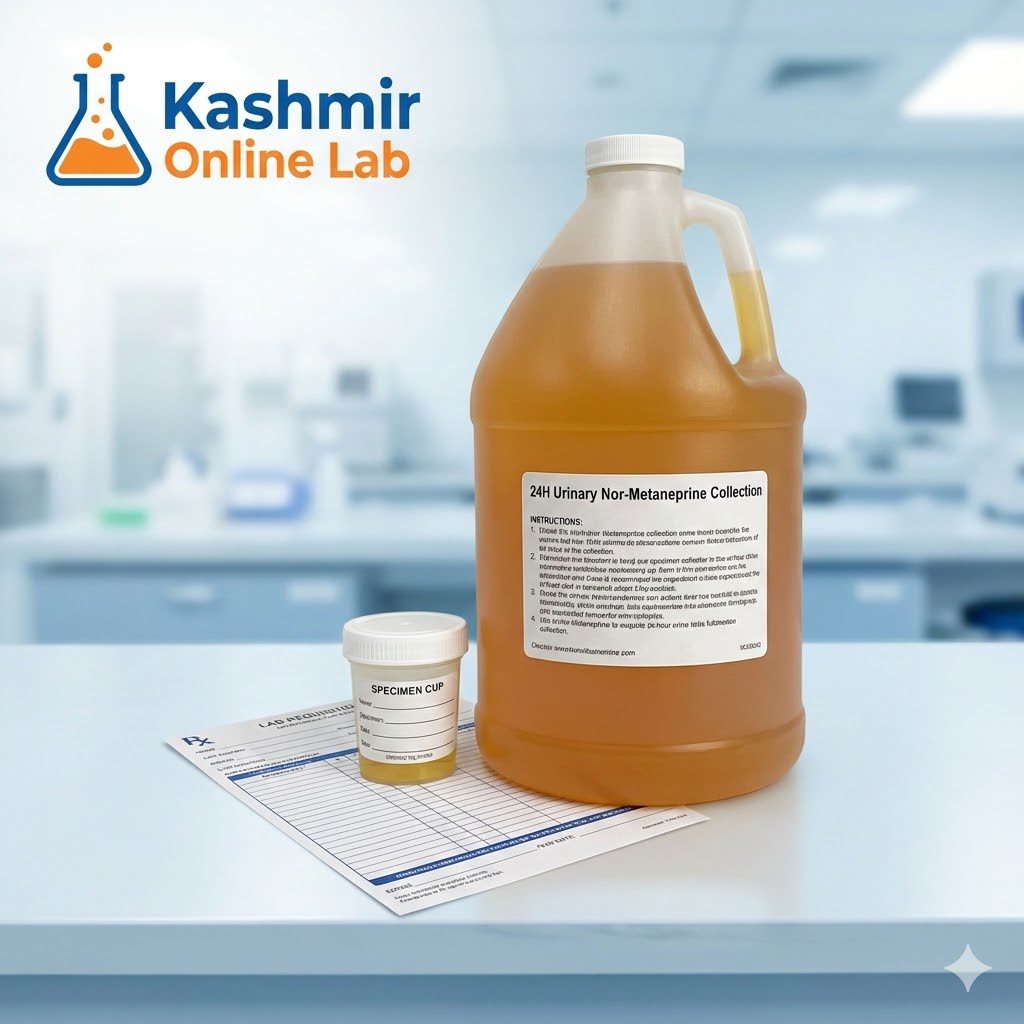
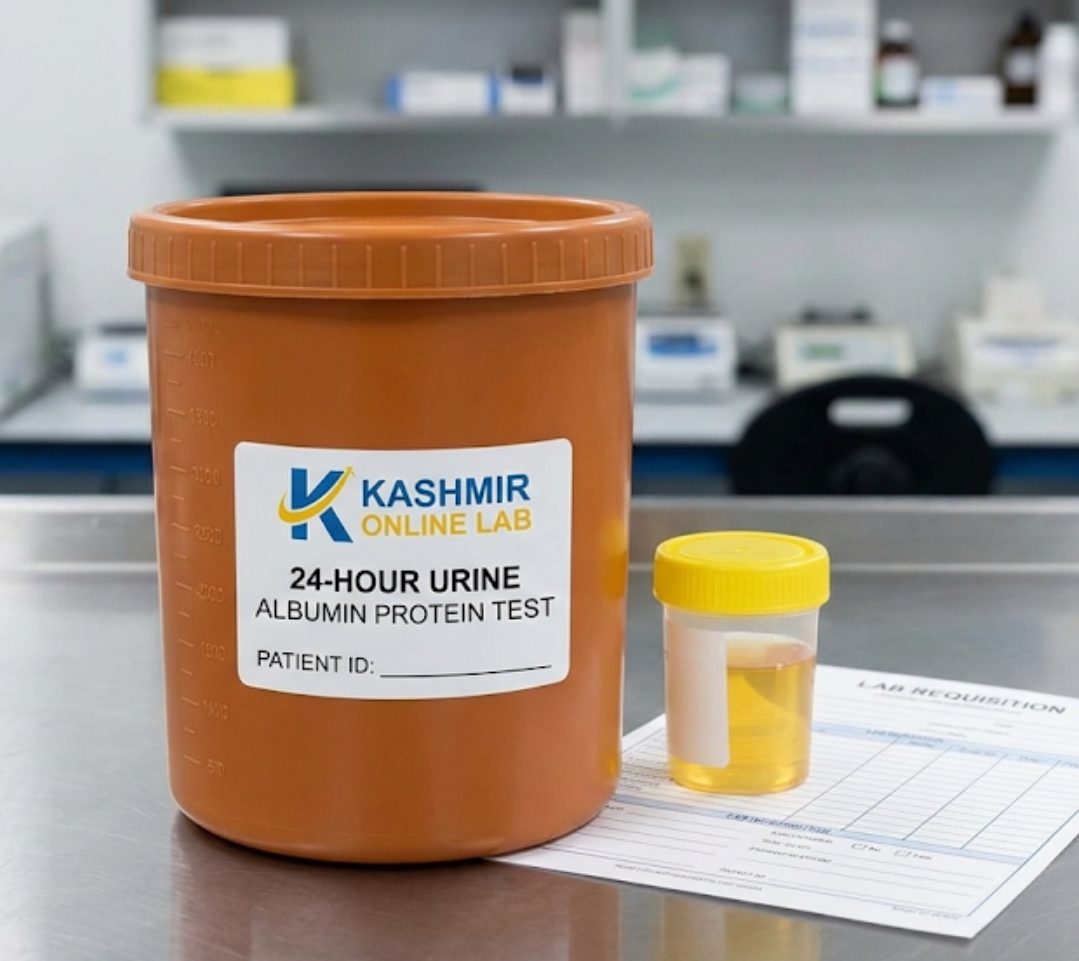
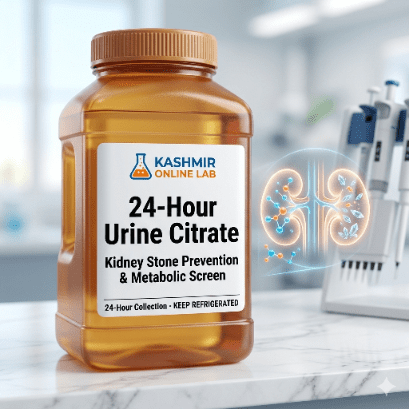
- Container: A specialized, large (typically amber plastic, ~3 liters) collection container provided by the laboratory. It often requires a specific preservative, usually an acid or bicarbonate, which must be added at the start of collection as directed.
- Preparation & Collection: Strict instructions must be followed. The patient typically maintains their usual diet but may need to review medications with their doctor (some drugs, like acetazolamide or thiazides, affect results). The collection process involves discarding the first morning urine, and then collecting every subsequent void for the next 24 hours, keeping the container refrigerated throughout the process.
- Handling: The complete collection should be delivered to the lab as soon as possible after the last collection.