Description
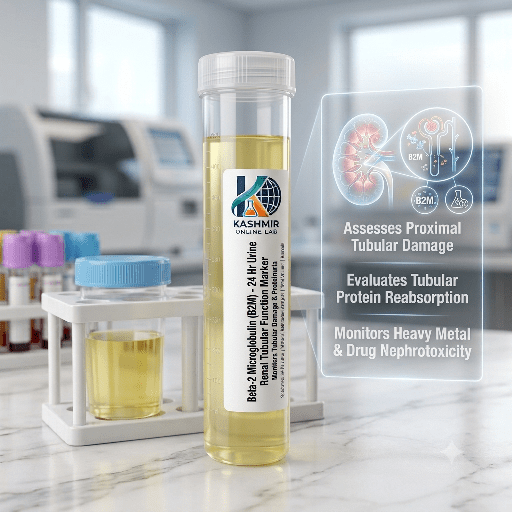
The Beta-2 Microglobulin (B2M) 24 Hr Urine test is a sensitive assay used to evaluate and monitor renal tubular function. By measuring total B2M output in a complete 24-hour urine collection, this test detects subtle kidney damage—specifically in the proximal tubules—which may be caused by toxicity (e.g., heavy metals, specific medications), chronic diseases, or early transplant rejection, often preceding changes in standard kidney function markers.
Overview:
Beta-2 Microglobulin (B2M) is a small protein normally filtered freely by the kidney’s glomerulus and then almost completely (99.9%) reabsorbed and catabolized by the proximal renal tubules. In a healthy individual, only trace amounts appear in urine. Measuring B2M output over a complete 24-hour period provides a precise and comprehensive marker of proximal tubular health, superior to a random spot sample which can be influenced by hydration levels throughout the day. Urinary B2M quantification is essential for assessing a different aspect of kidney function than routine glomerular markers like albuminuria.
Clinical Significance:
- Assesses Proximal Tubular Damage: Elevated urinary B2M is an early and sensitive indicator of proximal tubular dysfunction. This is key for identifying damage caused by conditions distinct from standard glomerular diseases, including toxic, ischemic, or inflammatory insults to the tubules.
- Monitors Nephrotoxicity: It is essential for monitoring individuals exposed to renal toxins, including heavy metals (like cadmium or mercury) or nephrotoxic medications (such as aminoglycoside antibiotics, specific antiviral drugs, or chemotherapy agents).
- Evaluates Post-Transplant Health: Used to monitor for early signs of kidney transplant rejection or ischemic injury, often before changes are observed in serum creatinine levels.
- Diagnoses Specific Kidney Disorders: Aids in the differential diagnosis of various renal tubular diseases, conditions like Fanconi syndrome, and monitoring of chronic kidney diseases.
- Monitors Systemic Disease: In conditions like Multiple Myeloma, urinary B2M levels can correlate with renal involvement and overall disease activity.
When is this test recommended?
Healthcare providers typically order the 24-hour urinary B2M test for patients:
- Exposed to environmental or industrial renal toxins (heavy metals).
- Receiving known nephrotoxic drug therapies.
- Who have standard kidney function tests (e.g., Creatinine, eGFR) that are stable but have persistent unexplained low-level proteinuria.
- Who have recently undergone kidney transplantation to detect early tubular injury.
- With certain systemic diseases like Multiple Myeloma to evaluate possible renal complications.
Sample Requirements:
- Specimen: Urine (Total quantity collected over a precise 24-hour period).
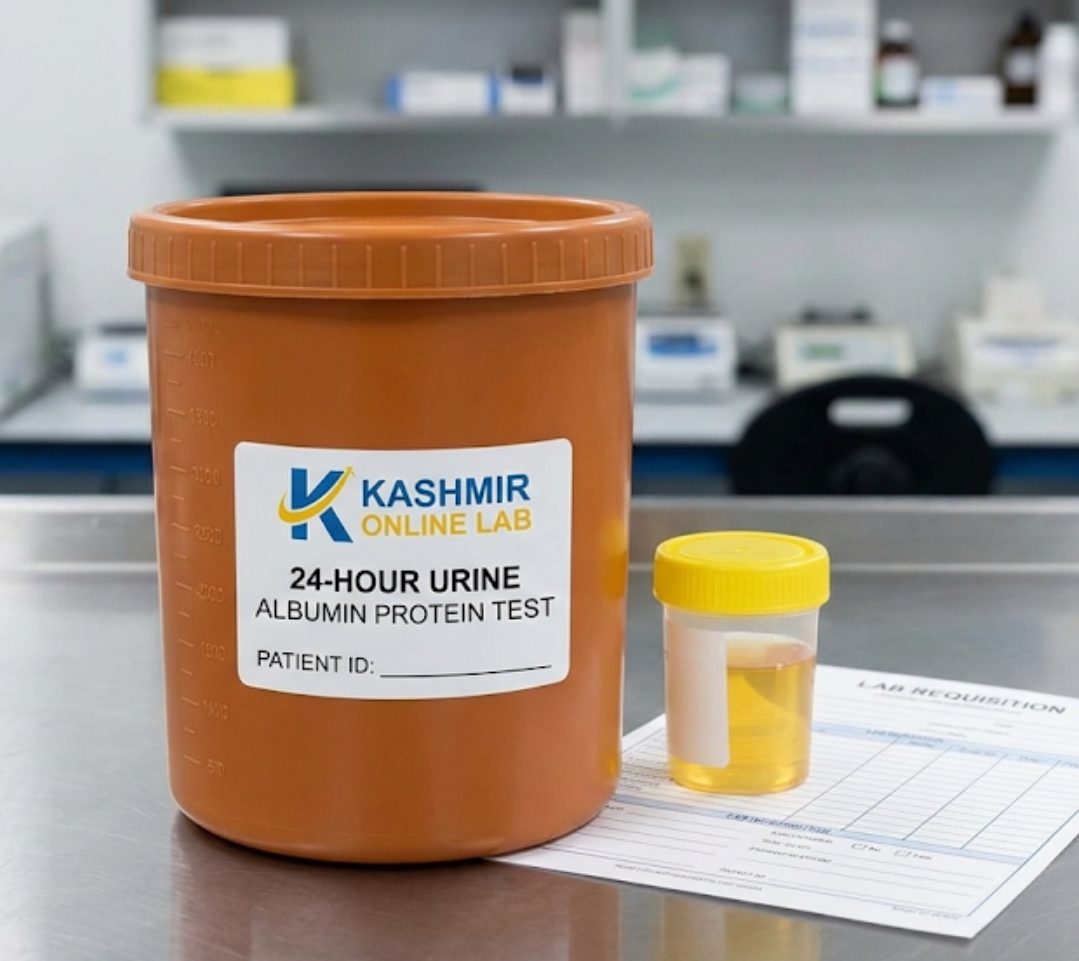
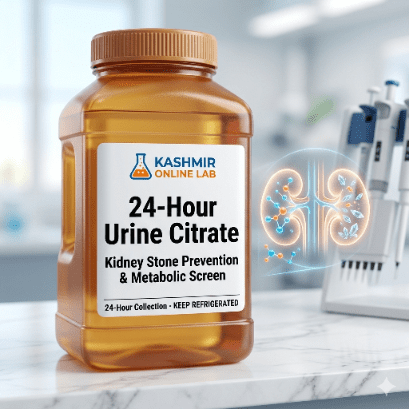
- Container: A specialized Large 24-Hour Urine Collection Container (typically 3 liters, light-protected plastic).
Patient Preparation:
- General: Precise adherence to the 24-hour collection protocol is crucial (voiding first urine of day 1 into the toilet, and then collecting all subsequent urine including first urine of day 2 into the container). The container must be kept cool (refrigerated) and shielded from light during the entire collection period.
- Medications/Diet: Advise the patient to discuss all current medications with their physician. Certain tests may require specific diet modifications, but usually not for B2M unless concurrent assays (like specific electrolytes) are requested.