Description
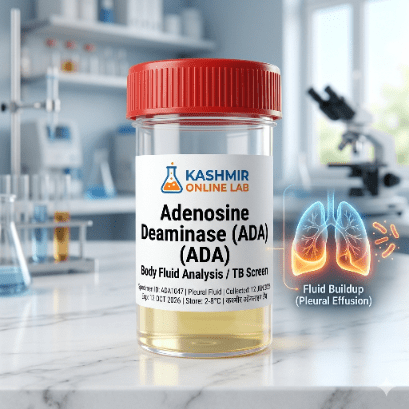
Adenosine Deaminase (ADA) is an enzyme produced by the body’s immune system, specifically by lymphocytes (a type of white blood cell). When the immune system detects certain invaders—most notably Mycobacterium tuberculosis, the bacteria that cause TB—it mounts a cellular defense that causes ADA levels to spike dramatically. This test measures the amount of ADA in various body fluids where abnormal fluid accumulation has occurred.
Clinical Significance:
- Diagnosing Extrapulmonary TB: While TB is famous for affecting the lungs, it can also infect other areas. ADA is considered a rapid, gold-standard marker for diagnosing TB in these challenging areas:
- Pleural Effusion (Lungs): Fluid buildup between the lungs and chest wall.
- Peritoneal / Ascitic Fluid (Abdomen): Fluid buildup in the abdominal cavity.
- Pericardial Fluid (Heart): Fluid around the heart.
- Cerebrospinal Fluid / CSF (Spine/Brain): To diagnose TB meningitis.
- Differential Diagnosis: High ADA levels strongly point toward tuberculosis, helping doctors distinguish it from other causes of fluid buildup, such as bacterial infections, viral infections, or certain malignancies (like lymphomas).
When is this test recommended?
- When a patient has an unexplained accumulation of fluid in the chest, abdomen, or around the heart.
- If a patient presents with symptoms of meningitis (fever, stiff neck, severe headache) and TB is suspected.
- When a rapid diagnosis of TB is required to begin treatment while waiting for slower, traditional bacterial cultures to grow.
Sample Requirements:
- Specimen: Body Fluid (e.g., Pleural, Ascitic, Pericardial, Synovial, or CSF).
- Container: Sterile, leak-proof universal collection container or specific sterile tubes (plain red top with no additives).
- Preparation & Collection: No fasting is required. Note: This sample cannot be collected at home or by a standard phlebotomist. The fluid must be extracted by a physician in a clinical setting using a specialized medical procedure (such as thoracentesis, paracentesis, or a lumbar puncture).
- Handling: The fluid should be transported to the laboratory promptly to prevent enzyme degradation.