Description
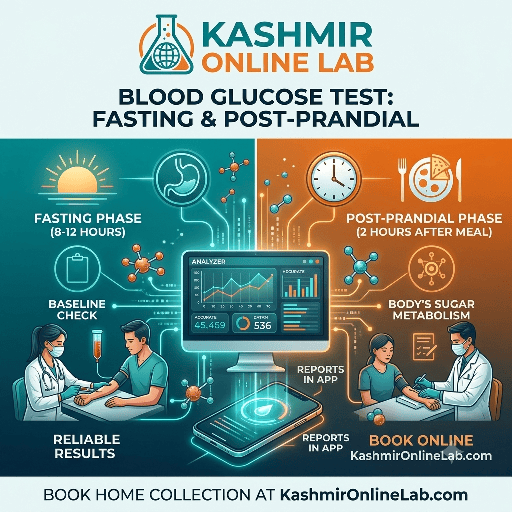
The Blood Glucose (Fasting & PP) profile is a fundamental two-part diagnostic test used to measure sugar levels in your blood. It evaluates your baseline glucose after an overnight fast (FBS) and assesses how efficiently your body processes sugar two hours after a meal (PPBS). This dual analysis is essential for diagnosing diabetes, identifying prediabetes, and effectively monitoring ongoing glucose control treatments.
What is the Blood Glucose (Fasting & PP) Test?
Blood glucose is the primary source of energy for your body’s cells, regulated by the hormone insulin. When the body cannot produce enough insulin or use it effectively, glucose builds up in the bloodstream, leading to diabetes. This comprehensive screening involves two distinct blood draws:
- Fasting Blood Sugar (FBS): Measured after an 8 to 12-hour overnight fast. This establishes your baseline blood glucose level when no recent food has been consumed.
- Post-Prandial Blood Sugar (PPBS): Measured exactly two hours after the start of a regular meal. This demonstrates how well your body and insulin response handle the intake of dietary carbohydrates and sugars.
Why is This Test Ordered?
Physicians and endocrinologists routinely recommend this dual test for several critical reasons:
- Diabetes Diagnosis: Identifying Type 1, Type 2, or Gestational Diabetes.
- Prediabetes Screening: Detecting early warning signs of impaired glucose tolerance before full-blown diabetes develops.
- Treatment Monitoring: Evaluating the effectiveness of prescribed dietary changes, oral anti-diabetic medications, or insulin therapy in known diabetic patients.
- Routine Health Checkups: Recommended annually for individuals with a family history of diabetes, obesity, hypertension, or cardiovascular issues.