Description
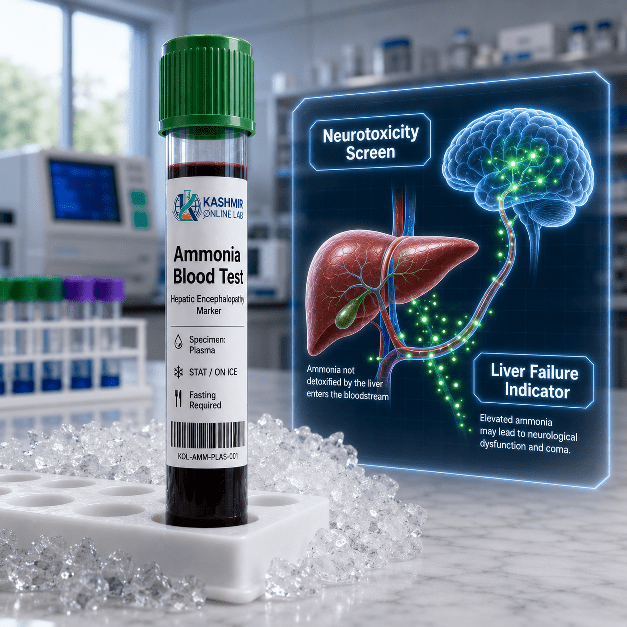
Ammonia is a highly toxic compound produced primarily in the intestines when bacteria break down dietary protein. In a healthy body, ammonia is rapidly absorbed into the bloodstream and transported directly to the liver. The liver’s job is to convert this toxic ammonia into a harmless substance called urea, which is then safely filtered out of the blood by the kidneys and excreted in urine. If the liver is severely damaged or blood flow to the liver is bypassed, ammonia builds up in the blood. Because it easily crosses the blood-brain barrier, elevated ammonia acts as a potent neurotoxin.
Clinical Significance:
- Hepatic Encephalopathy: This is the primary reason for ordering an ammonia test. It is a severe neurological complication of liver failure (such as from advanced cirrhosis or severe hepatitis) characterized by confusion, severe lethargy, personality changes, and eventually coma.
- Severe Liver Disease: Extremely high levels help diagnose acute or chronic liver failure, providing a marker for the loss of the liver’s detoxifying capacity.
- Reye’s Syndrome: A rare but potentially fatal condition in children and teenagers, often triggered by a viral infection and the use of aspirin, which causes acute swelling in the liver and brain.
- Urea Cycle Disorders: Rare genetic disorders usually diagnosed in infancy where the body lacks the enzymes needed to convert ammonia to urea.
When is this test recommended?
Healthcare providers typically order an ammonia test when a patient presents with sudden or worsening changes in mental status, especially if they have known liver disease. Symptoms include:
- Disorientation, severe confusion, or extreme sleepiness.
- Mood swings or noticeable personality changes.
- Hand tremors (asterixis or “flapping tremor”).
- Unexplained coma.
Sample Requirements:
- Specimen: Blood (Plasma).
- Container: A Green-top (Heparin) or Lavender-top (EDTA) tube.
- Handling (Critical): Ammonia levels can falsely rise rapidly after blood is drawn. The sample must be collected, immediately placed on ice, and rushed to the laboratory for rapid centrifugation and analysis.
Patient Preparation:
- Fasting: Patients are usually advised to fast (no food or drink except water) for 8 to 12 hours before the blood draw.
- Smoking: Smoking can significantly elevate ammonia levels. Patients should strictly avoid smoking or using tobacco products for at least 12 hours prior to the test.
- Exercise: Strenuous exercise should be avoided right before the test, as muscle metabolism also produces ammonia.