Description
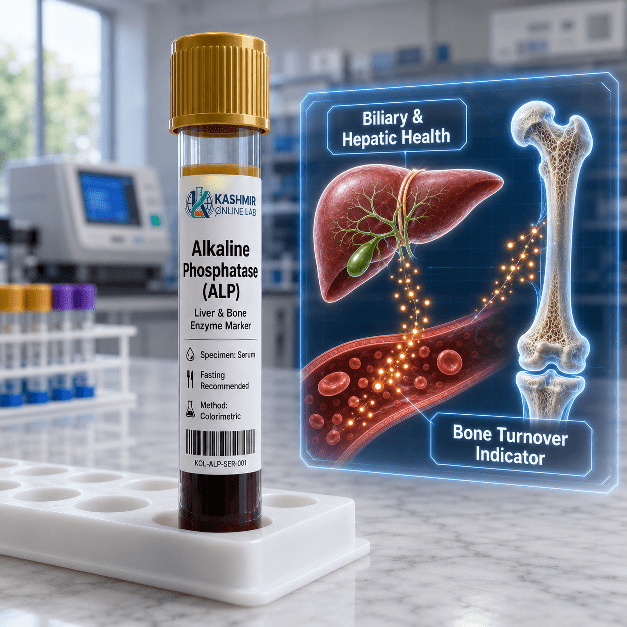
Alkaline phosphatase (ALP) is an enzyme found throughout the body, but it is most heavily concentrated in the liver, bile ducts, and bone tissue (with smaller amounts in the intestines and kidneys, and in the placenta of pregnant women). Enzymes are proteins that help chemical reactions happen in the body. By measuring ALP levels in the blood, doctors can assess the health of the tissues where this enzyme is most active.
Clinical Significance:
- Liver & Bile Duct Disease: ALP is exceptionally sensitive to biliary tract blockages. If the bile ducts are obstructed (by gallstones, tumors, or inflammation), ALP levels will rise significantly. It is also used to evaluate other liver conditions like hepatitis or cirrhosis, typically as part of a Liver Function Test (LFT) panel alongside AST and ALT.
- Bone Disorders: Because osteoblasts (the cells involved in bone formation) produce large amounts of ALP, blood levels rise during active bone growth or repair. Abnormally high levels can indicate bone diseases such as Paget’s disease, osteomalacia (vitamin D deficiency), or cancers that have spread to the bone (bone metastasis).
- Physiological Elevations: It is normal for growing children and teenagers to have higher ALP levels due to rapid bone growth. Pregnant women may also have elevated levels originating from the placenta.
When is this test recommended?
Healthcare providers typically order an ALP test—often as part of a routine Comprehensive Metabolic Panel (CMP) or Liver Panel—when a patient experiences:
- Symptoms of liver or gallbladder disease: Jaundice (yellowing of skin/eyes), abdominal pain (especially upper right side), dark urine, light-colored stool, or severe itching.
- Symptoms of bone disorders: Unexplained bone or joint pain, increased frequency of fractures, or bone deformities.
- To monitor treatments for known liver or bone conditions.
Sample Requirements:
- Specimen: Blood (Serum).
- Container: A standard Gold-top Serum Separator Tube (SST) or a Red-top tube.
Patient Preparation:
- Fasting: Patients are usually advised to fast (no food or drink except water) for 8 to 12 hours before the blood draw. Eating a meal—especially a fatty one—can temporarily stimulate the release of intestinal ALP, potentially causing a falsely elevated result.