Description
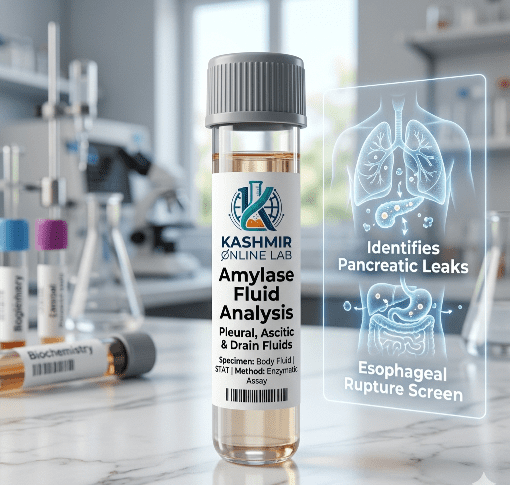
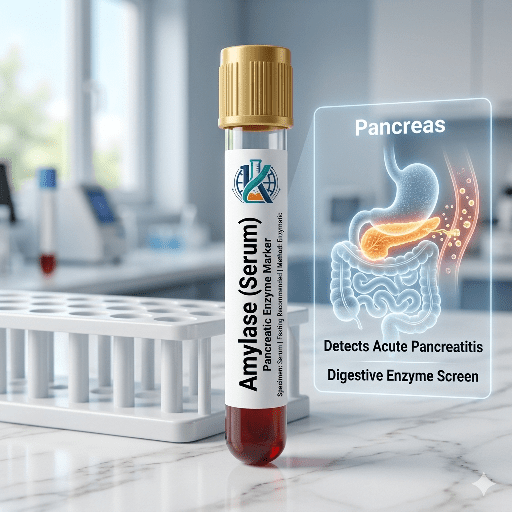
The Serum Amylase Test measures the level of amylase, an enzyme that helps your body digest carbohydrates. Because it is primarily produced in the pancreas, an abnormal rise in serum amylase levels is a key, rapid diagnostic indicator used to detect and monitor inflammation of the pancreas (pancreatitis) and other pancreatic disorders.
Amylase is an essential digestive enzyme responsible for breaking down starches and complex carbohydrates into simpler sugars so the body can absorb them. While small amounts are produced by the salivary glands, the vast majority is synthesized by the pancreas and released into the digestive tract. In a healthy individual, only a tiny amount of amylase circulates in the blood. However, if the pancreas becomes inflamed or its ducts are blocked, large quantities of this enzyme leak directly into the bloodstream.
Clinical Significance:
- Acute Pancreatitis: This is the primary reason for ordering an amylase test. In cases of acute pancreatitis, serum amylase levels rise rapidly (often within 12 hours of the onset of pain), peaking around 24 hours, and can reach several times the normal upper limit. Levels usually return to normal within 3 to 5 days.
- Chronic Pancreatitis: Repeated episodes of inflammation can lead to chronic pancreatitis. Amylase levels might initially be elevated but can eventually drop to normal or even below-normal levels as the pancreatic tissue becomes severely damaged and stops producing the enzyme.
- Gallbladder and Biliary Tract Disease: Conditions like gallstones that block the common bile duct (which shares an opening with the pancreatic duct) can force amylase back into the blood, causing elevated levels.
- Salivary Gland Issues: Because the salivary glands also produce amylase, conditions affecting them, such as mumps or a blocked salivary duct, can also cause mild to moderate elevations in the blood.
When is this test recommended?
Healthcare providers typically order a serum amylase test, often alongside a Lipase test (which is more specific to the pancreas), when a patient presents with symptoms such as:
- Sudden, severe pain in the upper abdomen that often radiates to the back.
- Intense nausea and persistent vomiting.
- Fever, rapid pulse, and loss of appetite.
- Swollen or tender abdomen.
Sample Requirements:
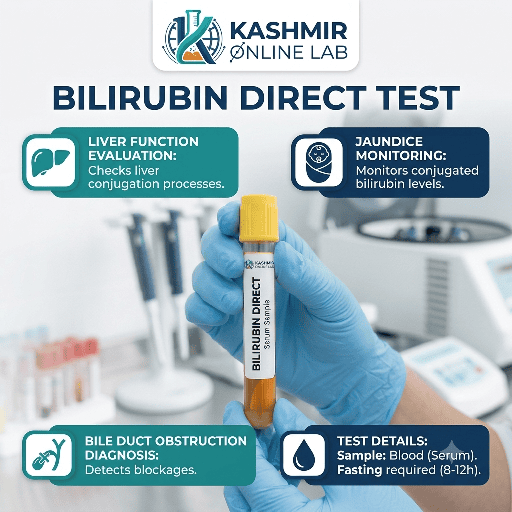
- Specimen: Blood (Serum).
- Container: A standard Gold-top Serum Separator Tube (SST) or a Red-top tube.
Patient Preparation:
- Fasting: Patients are generally advised to fast (no food or drink except water) for 8 to 12 hours before the blood draw, as eating can stimulate the pancreas.
- Alcohol: Consumption of alcohol must be strictly avoided for at least 24 hours prior to testing, as alcohol directly irritates the pancreas and can skew results.