Description
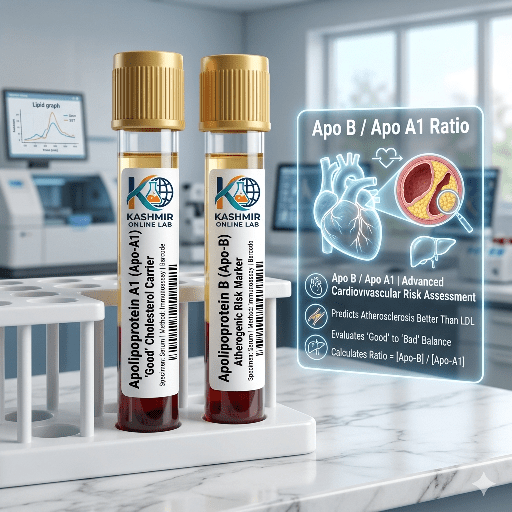
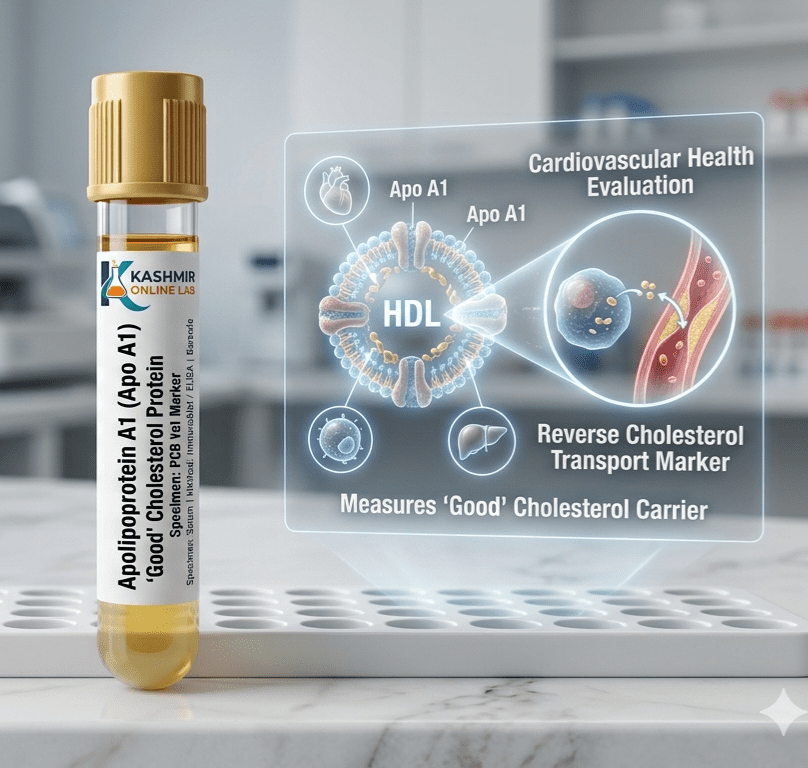
Apolipoprotein A1 (Apo A1) is the primary protein component of High-Density Lipoprotein (HDL), commonly known as the “good” cholesterol. It plays a critical role in Reverse Cholesterol Transport, a process that removes excess cholesterol from cells, including those in the artery walls, and transports it to the liver for disposal.
Measuring Apo A1 provides a more direct and sometimes more sensitive marker of your body’s ability to clear plaque and maintain cardiovascular health than simply measuring the amount of cholesterol carried in HDL (HDL-C).
Test Descriptions & Functions
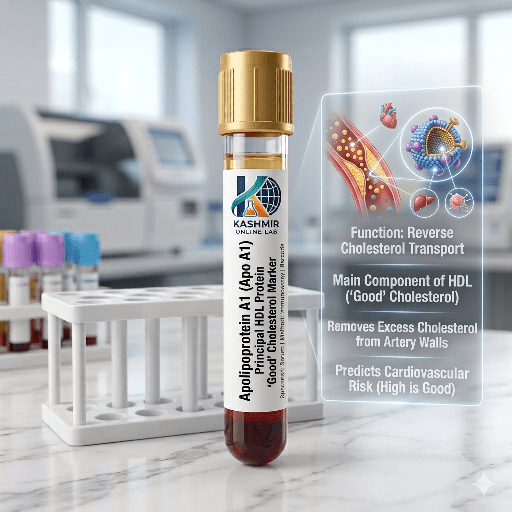
- Principal HDL Protein: Apo A1 is the backbone structure of the anti-atherogenic HDL particle. Every mature HDL particle carries multiple Apo A1 molecules.
- ‘Good’ Cholesterol Marker: Because it determines the number and functionality of HDL particles, higher levels of Apo A1 are desirable. Low levels can signal an impaired ability to clear cholesterol, even if routine cholesterol tests appear normal.
- Reverse Cholesterol Transport: Apo A1 activates enzymes and transporters critical for removing cholesterol from macrophages (immune cells that form plaque) and sending it back to the liver.
- Predicts Cardiovascular Risk: Comprehensive studies show that a low Apo A1 level is a powerful independent predictor of an increased risk of developing cardiovascular disease (CVD) and heart attacks.