Description
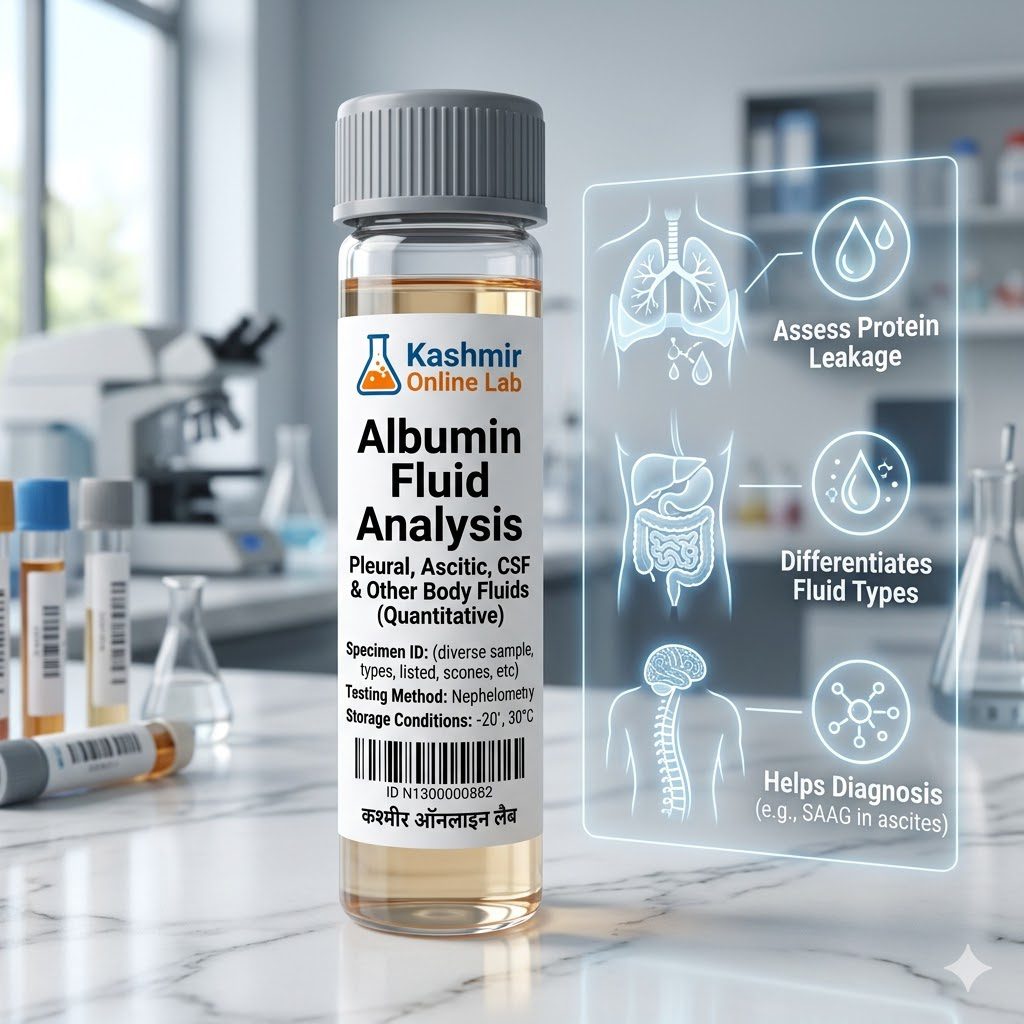
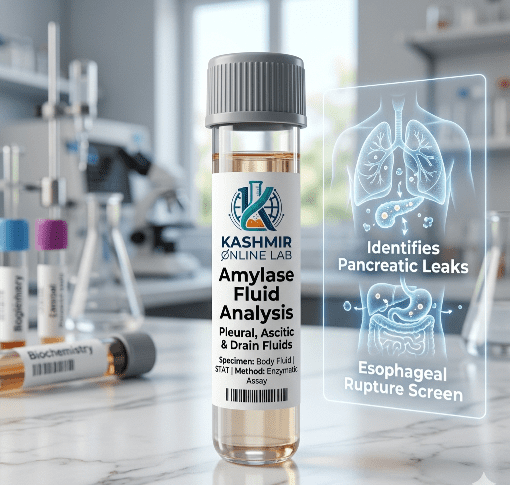
While amylase is normally contained within the pancreas, salivary glands, and digestive tract, severe injury or disease can cause it to leak into surrounding body cavities. When abnormal fluid accumulates in the abdomen (ascites) or the space around the lungs (pleural effusion), doctors will often extract a sample using a needle. Testing this fluid for amylase is a crucial step in discovering where the fluid originated and what is causing it to pool.
Clinical Significance:
- Pancreatic Disease and Complications: Very high levels of amylase in ascitic or pleural fluid strongly suggest that the fluid is accumulating due to acute pancreatitis, a pancreatic pseudocyst, or a pancreatic fistula (an abnormal connection leaking pancreatic juices).
- Esophageal Rupture (Boerhaave Syndrome): A medical emergency where the esophagus tears. Because saliva contains high amounts of salivary amylase, a tear in the esophagus will leak saliva into the chest cavity, resulting in massively elevated amylase levels in the pleural fluid.
- Intestinal Perforation or Infarction: A hole in the intestines or a severe loss of blood supply to the bowel can allow digestive enzymes, including amylase, to leak into the peritoneal cavity.
When is this test recommended?
Healthcare providers typically order a fluid amylase test when a patient undergoes a fluid-draining procedure (paracentesis or thoracentesis) for:
- Unexplained accumulation of fluid in the abdomen or chest.
- Sudden, severe chest or abdominal pain, especially if preceded by severe vomiting (suspected esophageal tear).
- Post-surgical complications following gastrointestinal or pancreatic surgery.
- Monitoring known pancreatic cysts.
Sample Requirements:
- Specimen: Body Fluid (e.g., Pleural, Ascitic, Peritoneal, or Drain Fluid).
- Container: A clear, sterile laboratory specimen vial or a plain red-top tube (no additives), depending on the specific laboratory protocol.
- Collection Method: The fluid is extracted directly from the body cavity by a physician using a specialized needle or from an existing surgical drain.
Patient Preparation:
- No Specific Fasting: Because this test evaluates a localized fluid collection rather than systemic blood levels, there are typically no fasting requirements, though the physician performing the extraction procedure may have specific pre-operative instructions.